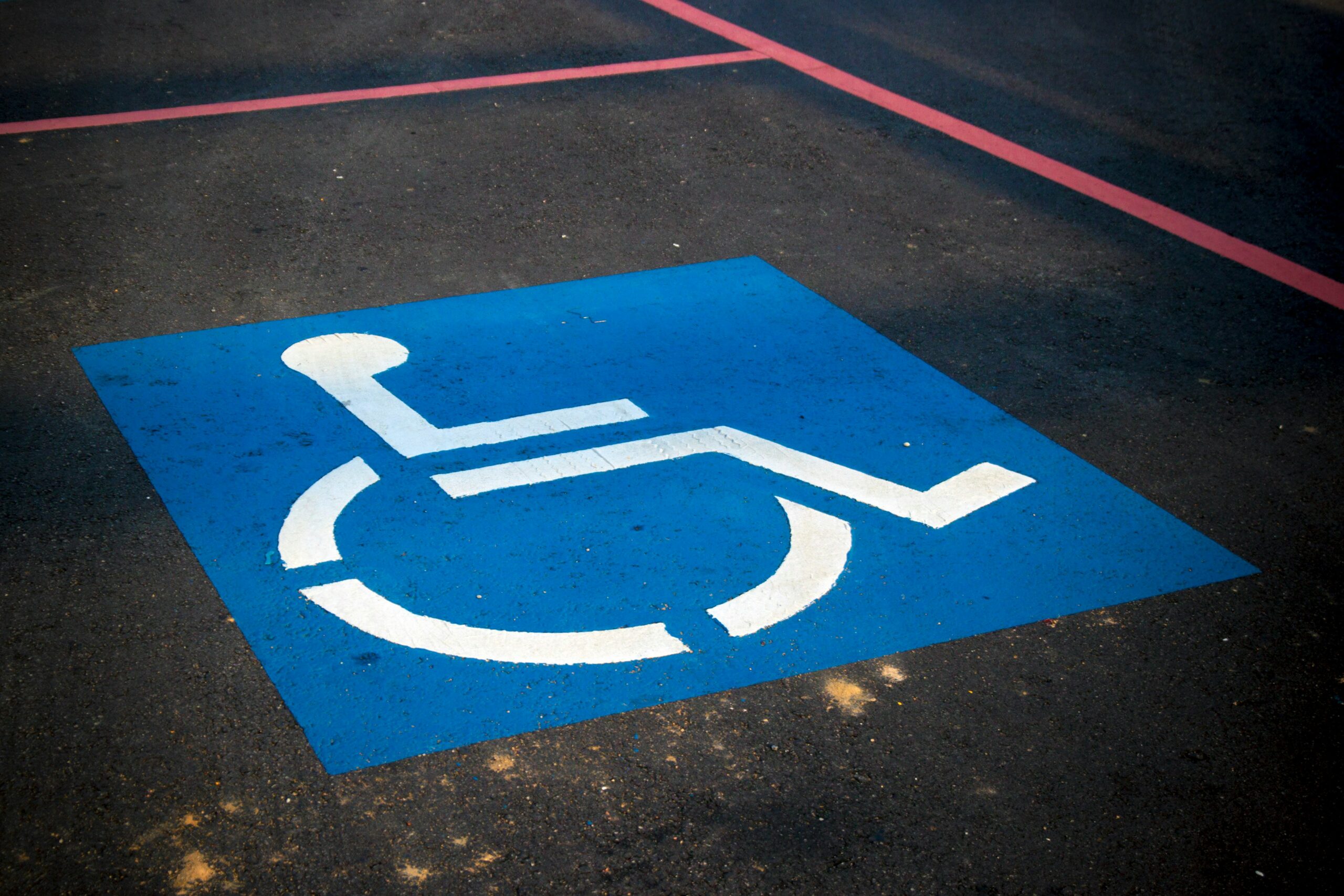
Accessibility requirements are a key part of property development because they ensure buildings and public spaces are usable by everyone, including people with disabilities. This isn’t just about being a good citizen; it’s a legal obligation with real consequences for developers if ignored. These requirements impact everything from initial design and construction costs to project timelines and how properties are ultimately used and maintained.
The Legal Framework: It’s More Than Just a Suggestion
Property development, by its very nature, is subject to a complex web of regulations. When it comes to accessibility, there are several significant legal frameworks that property developers absolutely need to be aware of. Ignoring these can lead to significant headaches down the line, including lawsuits and hefty fines.
The Americans with Disabilities Act (ADA) – Titles II & III
While many of the search results focus on the digital aspects of ADA, particularly under Title II for state and local governments, the ADA also has profound implications for physical property.
- Title III and Public Accommodations: This is the big one for most private property developers. Title III of the ADA dictates that all “places of public accommodation” must be accessible. This includes a vast array of private businesses and facilities, such as hotels, restaurants, retail stores, office buildings, theaters, schools, and many more. When building new facilities or undertaking major renovations, these must comply with ADA Standards for Accessible Design. This covers everything from parking spaces and entrance ramps to restrooms, interior circulation, and even things like counter heights and drinking fountains.
- Title II and Government Facilities: As mentioned in the search results, Title II requires state and local governments to follow standards for physical accessibility when constructing or altering government facilities. This also means providing “program access to existing facilities,” implying that even older government buildings must find ways to make their services accessible, even if that means making structural modifications. While this directly impacts government-funded projects, private developers often work on projects for public entities, making Title II relevant.
Fair Housing Act (FHA) – Especially for Residential
For residential property developers, the Fair Housing Act is just as critical, if not more so, than the ADA.
- Multifamily Housing Requirements: The FHA, particularly its 1988 amendments, includes specific design and construction requirements for multifamily housing built for first occupancy after March 13, 1991. These requirements apply to buildings with four or more units and include things like accessible common areas, accessible routes into and through dwelling units, and usable doorways and bathrooms. Developers need to certify their compliance with these guidelines. Ignoring them can lead to significant legal challenges and remediation costs.
- Specific Unit Set-Asides: The mention of CoC and ESG programs requiring 5% of units to be accessible for mobility disabilities and an additional 2% for other needs highlights another layer of residential accessibility. While these are program-specific, they demonstrate a broader trend towards requiring a certain percentage of units to be fully accessible, especially in projects receiving public funding or subsidies. This means developers can’t just build one accessible unit; they often need to build several, designed to different accessibility standards.
State and Local Building Codes
Beyond federal laws, almost every state and local jurisdiction has its own set of building codes that incorporate or expand upon federal accessibility requirements.
- International Building Code (IBC) and ICC A117.1: Many state and local codes are based on the International Building Code (IBC), which, in turn, often references the ICC A117.1 standard for accessible and usable buildings and facilities. These codes provide granular details on dimensions, slopes, clear floor spaces, reach ranges, and many other specific design parameters. Developers need to be familiar with the most current version adopted by their jurisdiction, as these can be updated periodically.
- Local Amendments: It’s also important to note that local jurisdictions often add their own amendments to state codes, which can introduce even stricter or unique accessibility requirements. A developer planning a project in multiple municipalities might find slightly different interpretations or additional requirements in each.
Understanding the impact of accessibility requirements on property development is crucial for creating inclusive environments. A related article that delves deeper into this topic is available at The Day Owl, which discusses how adhering to accessibility standards not only benefits individuals with disabilities but also enhances the overall value and marketability of properties. This exploration highlights the importance of integrating accessibility into the planning and design phases of development projects.
Design and Planning: Accessibility from the Ground Up
Integrating accessibility isn’t something you can just bolt on at the end of a project. It needs to be considered right from the conceptual design phase. Trying to add accessibility features later almost always results in higher costs and compromises in design.
Site Planning
The very first steps in planning a project site need to factor in accessibility.
- Accessible Routes and Parking: This includes ensuring there are adequate accessible parking spaces (with appropriate dimensions and access aisles), clearly marked accessible routes from parking and public transit stops to building entrances, and accessible pedestrian paths throughout the property. Slopes, surface materials, and widths of these routes are all critical considerations.
- Outdoor Amenities: If the property includes outdoor spaces like parks, plazas, or recreation areas, these also need to be accessible. This means compliant paths, accessible restrooms, seating, and sometimes even accessible play equipment or fitness stations.
Building Layout and Circulation
Inside the building, accessibility dictates much of the layout.
- Entrances and Exits: All public entrances must be accessible, meaning they need compliant ramps or lifts if there are level changes, wide enough doorways, and appropriate door hardware. Emergency exits also need to be designed to be usable by people with disabilities.
- Vertical Circulation: Elevators are often a necessity in multi-story buildings. If a building relies on stairs, an accessible alternative (like an elevator or ramp) must also be provided. Elevator cars themselves have specific size, control panel, and emergency communication requirements.
- Clearances and Maneuvering Space: Throughout the building, sufficient clear floor space is needed for wheelchairs and other mobility devices. This impacts corridor widths, turning radii within rooms, and the layout of fixtures and furnishings.
Interior Space Design
Specific rooms and areas within a building have their own set of accessibility requirements.
- Restrooms: Accessible restrooms are a major component of most accessibility standards. This involves specific stall dimensions, grab bars, sink and mirror heights, faucet types, and clear floor space within the room. Separate accessible family or universal restrooms are also becoming more common and sometimes required.
- Dwelling Units (Residential): As mentioned with the FHA, accessible dwelling units have detailed requirements. These include features like wide doorways, reinforced bathroom walls for grab bars (even if not immediately installed), kitchen and bathroom layouts that allow for wheelchair maneuverability, accessible controls and outlets, and sometimes adjustable countertops.
- Workspaces and Public Service Counters: In commercial or public buildings, employee workstations and service counters need to be designed to be accessible. This means considerations for counter heights, knee and toe clearances, and reach ranges for controls and service areas.
Construction and Materials: Practical Implementation
Bringing accessible designs to life requires careful attention during the construction phase, from selecting appropriate materials to ensuring proper installation.
Material Selection
Certain materials are better suited for accessibility than others.
- Flooring: Smooth, firm, and slip-resistant surfaces are crucial for accessible routes. Highly textured carpets, loose gravel, or excessively uneven surfaces can pose significant barriers for wheelchair users or people with balance issues. The transition between different flooring types also needs to be smooth.
- Door Hardware and Controls: Lever handles are generally preferred over doorknobs as they are easier to operate for people with limited dexterity. Light switches, thermostats, and other environmental controls need to be within accessible reach ranges and be usable without fine motor control.
Installation and Tolerances
Even with the correct materials, improper installation can undermine accessibility.
- Slope and Gradient: Ramps and accessible routes have very specific maximum slopes (e.g., typically 1:12 for ramps). Exceeding these tolerances, even slightly, can make them unusable or dangerous. Similarly, cross slopes need to be minimal to prevent drainage issues and provide a stable surface.
- Clearances and Dimensions: Precise adherence to specified clearances for doorways, turning spaces, and fixture placement is critical. A few inches off can render a space non-compliant. Construction crews need to be trained and aware of these tight tolerances.
Cost Implications: An Investment, Not Just an Expense
One of the most common concerns for developers is the perceived extra cost of accessibility features. While there are certainly upfront costs, viewing them as an investment rather than just an expense is a more accurate perspective.
Upfront Design and Construction Costs
Integrating accessibility does add to initial project costs.
- Design Fees: Accessible design often requires specialized knowledge, meaning architects and consultants with expertise in accessibility might be needed, potentially increasing design fees.
- Material and Labor: Specific accessible products (e.g., compliant bathroom fixtures, elevators, accessible ramps) can be more expensive than standard alternatives. Installation might also require more precise labor or specialized techniques.
- Space Requirements: Accessible features often require more space—wider corridors, larger restrooms, more generous floor areas in accessible units. This can sometimes reduce the net usable area or increase the overall building footprint, which has cost implications.
Long-Term Value and Marketability
However, accessible properties often have enhanced long-term value.
- Broader Tenant/Buyer Pool: An accessible property appeals to a wider demographic, including people with disabilities, their families, and the aging population. This can lead to broader market appeal, reduced vacancy rates, and potentially higher property values.
- Future-Proofing: As the population ages, the demand for accessible spaces will only increase. Building with accessibility in mind now can future-proof a property, making it more resilient to changing demographic needs and potentially avoiding costly retrofits in the future.
Avoiding Penalties and Lawsuits
Perhaps the most significant financial implication of non-compliance is the risk of legal action.
- Fines and Damages: Violations of ADA or FHA can result in substantial civil penalties levied by the Department of Justice, in addition to compensatory damages and attorney fees awarded to plaintiffs in private lawsuits. These can easily dwarf the upfront costs of compliance.
- Remediation Costs: If a property is found to be non-compliant after construction, the court can order costly structural modifications to bring it up to standard. These retrofits are almost always more expensive and disruptive than building correctly from the start.
Understanding the impact of accessibility requirements on property development is crucial for creating inclusive spaces. A related article discusses the various challenges and solutions that developers face when integrating these requirements into their projects. For more insights on this topic, you can read the article here, which highlights the importance of accommodating diverse needs in urban planning and design. This not only enhances the quality of life for individuals with disabilities but also benefits the community as a whole.
Timeline and Project Management: Don’t Underestimate the Process
Accessibility requirements impact project timelines and require careful management. It’s not a step that can be rushed.
Permitting and Reviews
The approval process for accessible designs can add time.
- Detailed Plan Submissions: Building departments and code officials often scrutinize accessibility plans more closely. Developers need to submit detailed drawings showing accessible routes, clearances, and features.
- Accessibility Consultants: Sometimes, external accessibility consultants are brought in for plan review, which can add a layer to the timeline. Addressing their comments and making necessary revisions takes time.
Construction Inspections
Accessibility is typically a key focus during construction inspections.
- Phased Inspections: Code officials will inspect accessible features at various stages of construction to ensure they are being built to standard. This might include inspections of framing clearances, ramp slopes before finishes are applied, and final inspections of all accessible elements.
- Corrections and Re-inspections: If deficiencies are found, work must stop, corrections must be made, and a re-inspection scheduled. This can cause significant delays and cost overruns if not managed proactively.
Post-Completion Issues
Even after a certificate of occupancy, accessibility considerations don’t end.
- Maintenance: Accessible features, like any other part of a building, require ongoing maintenance. Elevators need servicing, accessible routes need to be kept clear, and fixtures need to be in good working order. Neglecting maintenance can lead to non-compliance issues.
- User Feedback: It’s important to be responsive to feedback from users with disabilities. Sometimes, even a technically compliant design might not be fully functional or user-friendly in practice, and minor adjustments might be necessary to enhance usability.
Conclusion: A Fundamental Aspect of Modern Development
Ultimately, integrating accessibility into property development is no longer an optional add-on; it’s a fundamental aspect baked into the modern legal and ethical landscape of construction. While the initial focus might be on the increased costs or complex regulations, developers who proactively embrace accessibility find that it broadens their market, enhances their public image, and protects them from significant legal and financial risks. It’s about building smarter, for everyone.
FAQs
1. What are accessibility requirements in property development?
Accessibility requirements in property development refer to the regulations and standards that ensure buildings and public spaces are designed to be accessible to people with disabilities. This includes features such as ramps, elevators, wider doorways, and accessible parking spaces.
2. How do accessibility requirements impact property development?
Accessibility requirements impact property development by influencing the design, construction, and renovation of buildings and public spaces. Developers must adhere to these requirements to ensure that their properties are accessible to all individuals, regardless of their physical abilities.
3. What are some common accessibility features required in property development?
Common accessibility features required in property development include accessible entrances, accessible parking spaces, wheelchair ramps, elevators, wider doorways and hallways, accessible restrooms, and visual and auditory signage for individuals with sensory impairments.
4. What are the benefits of incorporating accessibility requirements in property development?
Incorporating accessibility requirements in property development ensures that buildings and public spaces are inclusive and usable for all individuals, including those with disabilities. This can lead to a larger customer or tenant base, improved public perception, and compliance with legal and ethical standards.
5. How can developers ensure compliance with accessibility requirements in property development?
Developers can ensure compliance with accessibility requirements in property development by working with architects and designers who are knowledgeable about accessibility standards, conducting regular accessibility audits, and staying informed about local and national accessibility regulations.