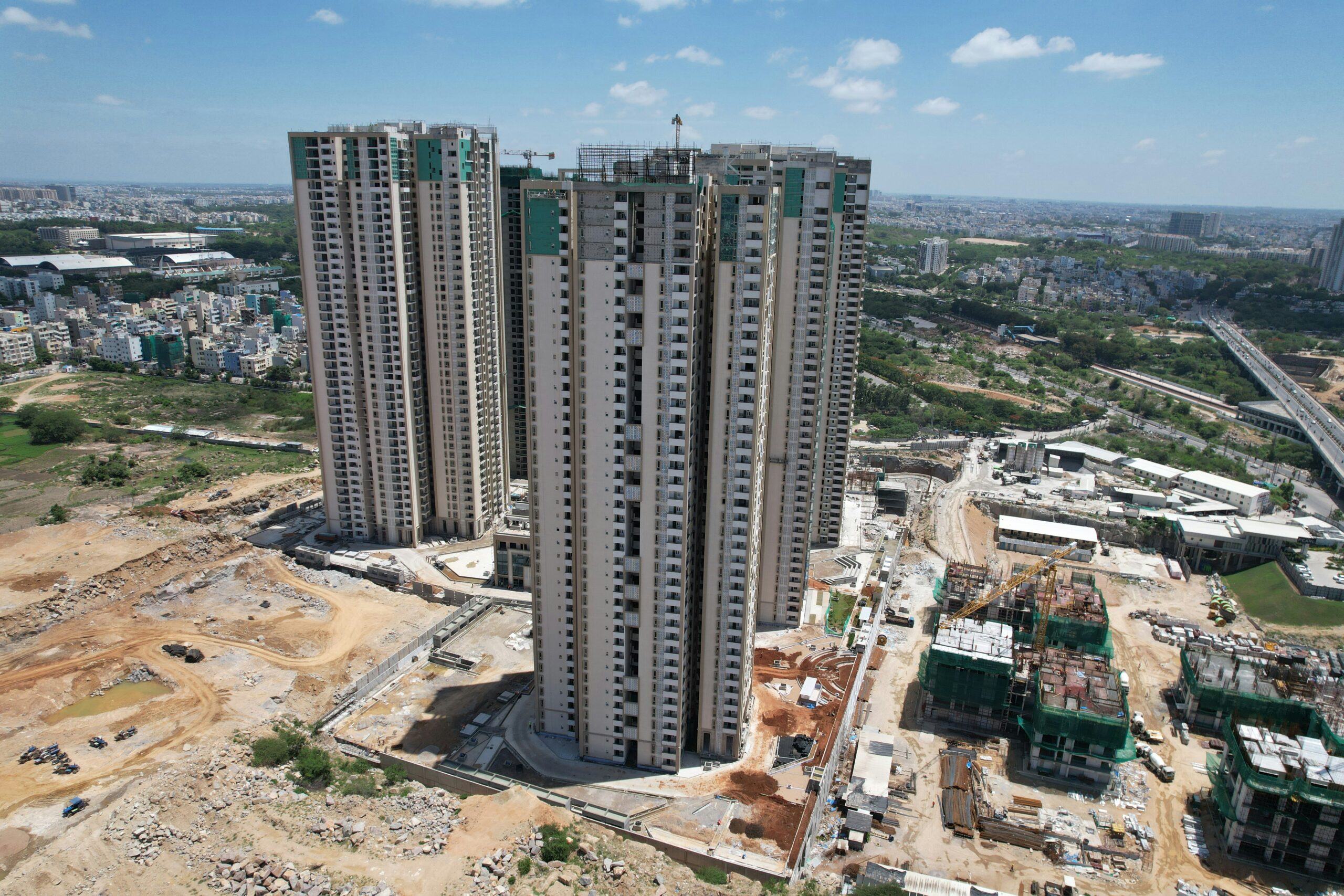
When it comes to building skyscrapers, safety isn’t just a suggestion; it’s the bedrock of the entire operation. The regulations that govern high-rise construction are designed to protect workers from serious harm and prevent catastrophic failures. These aren’t just bureaucratic hurdles; they’re vital blueprints for keeping everyone safe on site, from the ground up to the hundredth floor.
Staying Safe: Why Rules Matter in High-Rise Construction
Building tall structures inherently involves more risk than, say, a single-story home. The sheer height means falls are more dangerous, materials need to be lifted much further, and managing a large workforce in a confined, vertical space presents unique challenges. That’s why specific, stringent regulations are put in place, constantly evolving to address new risks and leverage new technologies. These rules aim to minimize accidents, ensure workers have proper training and equipment, and ultimately, get everyone home safely at the end of the day.
OSHA, the Occupational Safety and Health Administration, plays a central role in setting and enforcing these safety standards in the United States. They’re not just issuing blanket rules; they’re actively targeting the most dangerous activities on construction sites.
Falls from Height: The Number One Killer
It’s no secret that falls are the leading cause of fatalities in construction, and this is especially true in high-rise building where elevated work is the norm. OSHA understands this and in 2026, they’ll be intensifying their inspections specifically on fall protection.
Guardrails and Personal Fall Arrest Systems
Expect closer scrutiny of how guardrails are installed and maintained. Are they at the correct height? Are they strong enough? Similarly, personal fall arrest systems (PFAS), which include harnesses, lanyards, and anchor points, will be under the microscope. Workers need to be properly trained on how to use this equipment, and it needs to be inspected regularly.
The National Safety Stand-Down
To drive this point home, events like the National Safety Stand-Down – scheduled for May 4–8, 2026 – are invaluable. These dedicated periods emphasize awareness and training around fall hazards, particularly relevant for the complex, multi-story environments found in high-rise projects, especially in dense urban areas like New York City.
Beyond Falls: Other High-Risk Activities
While falls often grab the headlines, OSHA’s targeted enforcement extends to several other critical areas that pose significant dangers on construction sites.
Trenching and Excavation Safety
Even for high-rise projects, ground-level work, like digging foundations or utility lines, involves trenching. Improperly shored or sloped trenches can collapse, burying workers. Inspections will be looking for proper protective systems, entry/exit points, and competent person oversight.
Crane Operations: A Delicate Dance
Cranes are essential for high-rise construction, lifting massive steel beams and concrete sections. However, they also present enormous risks if not operated correctly. OSHA will be focusing on operator certification, crane inspection records, load limits, and clear communication on site to prevent collisions and dropped loads.
Silica Exposure: The Silent Threat
Respirable crystalline silica dust, generated during activities like cutting concrete or stone, can lead to serious lung diseases. OSHA’s 2026 priorities will emphasize engineering controls like water suppression systems to keep dust levels down, along with proper respiratory protection when controls aren’t enough.
Heavy Equipment Safety
From dozers to forklifts, heavy equipment is a constant presence on construction sites. Inspections will assess operator training, pre-shift checks, traffic management plans, and proper signaling to prevent crush injuries and other accidents.
Repeat Offenders Under Scrutiny
OSHA isn’t just about initial enforcement; they’re also keeping a close eye on companies with a history of violations. Repeat offenders should expect higher scrutiny and potentially stiffer penalties, reflecting a commitment to truly changing unsafe practices.
High-rise construction is heavily influenced by various safety regulations that ensure the well-being of both workers and future occupants. A related article that delves deeper into the intricacies of these regulations is available at this link. It explores the specific codes and standards that govern the construction of tall buildings, highlighting the importance of compliance in preventing accidents and ensuring structural integrity. Understanding these regulations is crucial for architects, engineers, and construction managers involved in high-rise projects.
Mitigating Environmental Risks: New Standards for Worker Protection
Construction, especially high-rise, often means working outdoors in various weather conditions. As climates shift, new environmental risks become more pronounced, leading to necessary regulatory adaptations.
Heat Illness Prevention: A Growing Concern
Working under the summer sun, especially hundreds of feet up on a steel frame, can lead to serious heat-related illnesses. Federal requirements are emerging to address this.
Monitoring, Breaks, and Acclimatization
Employers will need formal plans for monitoring workers for heat stress, ensuring regular access to shade and cool water, and implementing mandatory rest breaks. Acclimatization schedules, gradually increasing a worker’s exposure to heat, are also part of these new standards, recognizing that bodies need time to adjust.
Prevention Plans and General Duty Clause
Beyond specific rules, employers are expected to develop comprehensive heat illness prevention plans. Where specific standards might not yet exist, OSHA can cite employers under the General Duty Clause for failing to provide a workplace free from recognized hazards like extreme heat. Expect summer inspections to pay particular attention to these issues.
Leveraging Technology for Enhanced Safety and Compliance

The construction industry, traditionally slow to adopt new tech, is seeing a shift. Digital tools are becoming increasingly important not just for efficiency but for safety compliance.
Drones for Inspection and Monitoring
Drones are no longer just toys; they’re powerful tools for safety. They can inspect hard-to-reach areas, monitor site progress, and even help identify potential hazards before workers are put in harm’s way. This digital eye in the sky can provide invaluable data for compliance evaluations.
Wearables for Proactive Health Monitoring
Imagine a device on a worker’s wrist that can track their heart rate, body temperature, or even fatigue levels. Wearable technology is making this a reality. For high-rise construction, where physical exertion is immense and heat stress is a concern, these devices can offer early warnings, allowing for intervention before a serious incident occurs.
Digital Logs and Compliance
Gone are the days of stacks of paper forms. Digital logs for safety inspections, equipment maintenance, and training records streamline compliance. This means easier record-keeping for companies and more efficient evaluation for inspectors, ensuring that necessary documentation is always up-to-date and accessible.
Innovations in Fall Protection
Technology isn’t just about monitoring; it’s also about better equipment. Self-retracting lifelines (SRLs) are an example. These devices allow workers more mobility while still providing continuous fall protection, automatically retracting or extending the lifeline as needed, which is crucial in dynamic high-rise environments.
Broader Regulatory Landscape and Consequences

Safety regulations extend beyond specific hazards, touching upon general workplace practices and the serious ramifications for non-compliance.
Expanded Injury and Illness Recordkeeping
Keeping accurate records of workplace injuries and illnesses isn’t just good practice; it’s a regulatory requirement. OSHA has expanded these recordkeeping rules, demanding more detailed and timely reporting. This data helps identify patterns, spot recurring hazards, and inform future safety interventions.
Personal Protective Equipment (PPE) Fit Requirements
It might seem basic, but PPE is only effective if it fits properly. New requirements, like 29 CFR 1926.95(c), specifically address the fit of PPE, recognizing that ill-fitting gear can be uncomfortable, ineffective, or even create new hazards. This is particularly important for tasks involving specialized equipment or respirators.
Hazard Communication Standards
Workers have a right to know about the hazardous chemicals they might encounter on site. Hazard communication standards mandate clear labeling, safety data sheets (SDS), and comprehensive training so workers understand the risks and how to protect themselves.
Workplace Violence and Infectious Disease Preparedness
While perhaps less direct for traditional construction, the modern workplace must account for broader safety concerns. Workplace violence prevention plans aim to reduce the risk of aggression or attacks. Similarly, lessons learned from recent public health crises have highlighted the need for infectious disease preparedness plans, ensuring that sites can operate safely during outbreaks.
Penalties for Non-Compliance
It’s crucial to understand that failing to follow these regulations carries significant consequences. Penalties for violations can be steep, ranging up to $165,000 or more per violation. This financial deterrent underscores just how seriously regulatory bodies view worker safety. Repeated or willful violations can, of course, lead to even more severe penalties and legal action.
In the realm of urban development, understanding the intricacies of safety regulations is crucial for high-rise construction projects. A related article that delves deeper into the importance of compliance with these standards is available at this link. It highlights how adherence to safety protocols not only protects workers but also ensures the longevity and stability of towering structures in bustling cityscapes.
High-Rise Specifics: Unique Challenges and Training
| Regulation | Description |
|---|---|
| Building Codes | Set of regulations that specify the standards for construction, including structural integrity and fire safety. |
| Occupational Safety and Health Administration (OSHA) Standards | Regulations that focus on worker safety, including fall protection, scaffolding, and electrical safety. |
| National Fire Protection Association (NFPA) Standards | Guidelines for fire prevention and protection, including fire alarm systems, sprinklers, and emergency exits. |
| Local Zoning Regulations | Rules that dictate the allowable land use, building height, and density in specific areas. |
Building upwards brings its own set of particular safety concerns that aren’t typically found in lower-rise construction.
Evacuation and Egress: The Long Way Down
One of the most immediate concerns once a high-rise structure takes shape is emergency egress. The National Fire Protection Association (NFPA) specifically notes the unique challenges of longer egress routes for buildings of significant height. Planning for evacuation, knowing every exit, and understanding muster points isn’t just a fire drill; it’s a critical safety component from the early stages of construction.
Fall Prevention in Training: Beyond the Basics
Given that fall prevention is paramount, specific and robust training is non-negotiable. While general fall protection training is standard, high-rise projects often require more specialized instruction.
OSHA 30 and Site-Specific Training
OSHA 30-hour training for construction supervisors and workers provides a comprehensive overview of safety and health hazards. For high-rise sites, this often needs to be supplemented with site-specific training. This includes familiarization with the unique fall hazards of that particular building’s design, the specific fall protection equipment used, and emergency procedures tailored to a multi-story environment.
NYC Site Safety Training (SST)
In places like New York City, which has a plethora of high-rise construction, additional mandates like Site Safety Training (SST) are in place. These specialized training programs ensure that workers and supervisors on large construction projects, including skyscrapers, receive extended hours of safety education focused on critical hazards and city-specific regulations. These are not just check-the-box exercises; they are designed to instill a deep understanding of fall prevention and other high-rise relevant risks.
Ultimately, safety regulations in high-rise construction are a dynamic shield, constantly adapting to protect workers in increasingly complex and demanding environments. They’re about fostering a culture where safety is intrinsic to every bolt tightened, every slab poured, and every floor added.
FAQs
What are the main safety regulations that shape high rise construction?
The main safety regulations that shape high rise construction include requirements for fall protection, fire safety, structural stability, and material handling. These regulations are put in place to ensure the safety of workers and the public during the construction process.
Who sets the safety regulations for high rise construction?
Safety regulations for high rise construction are set by government agencies such as the Occupational Safety and Health Administration (OSHA) in the United States, as well as local building codes and regulations. These regulations are designed to ensure that construction projects meet minimum safety standards.
What are some common safety measures required in high rise construction?
Common safety measures required in high rise construction include the use of personal protective equipment (PPE) such as hard hats and safety harnesses, the installation of guardrails and safety nets to prevent falls, fire-resistant materials and systems, and regular inspections of equipment and structures.
How do safety regulations impact the cost and timeline of high rise construction projects?
Safety regulations can impact the cost and timeline of high rise construction projects by requiring additional safety equipment, materials, and labor, as well as the implementation of safety training programs. However, these regulations are essential for preventing accidents and ensuring the long-term safety and integrity of the building.
What are the consequences of not following safety regulations in high rise construction?
The consequences of not following safety regulations in high rise construction can include accidents, injuries, and fatalities, as well as legal and financial liabilities for the construction company. Additionally, buildings that do not meet safety regulations may face restrictions or penalties from regulatory authorities.