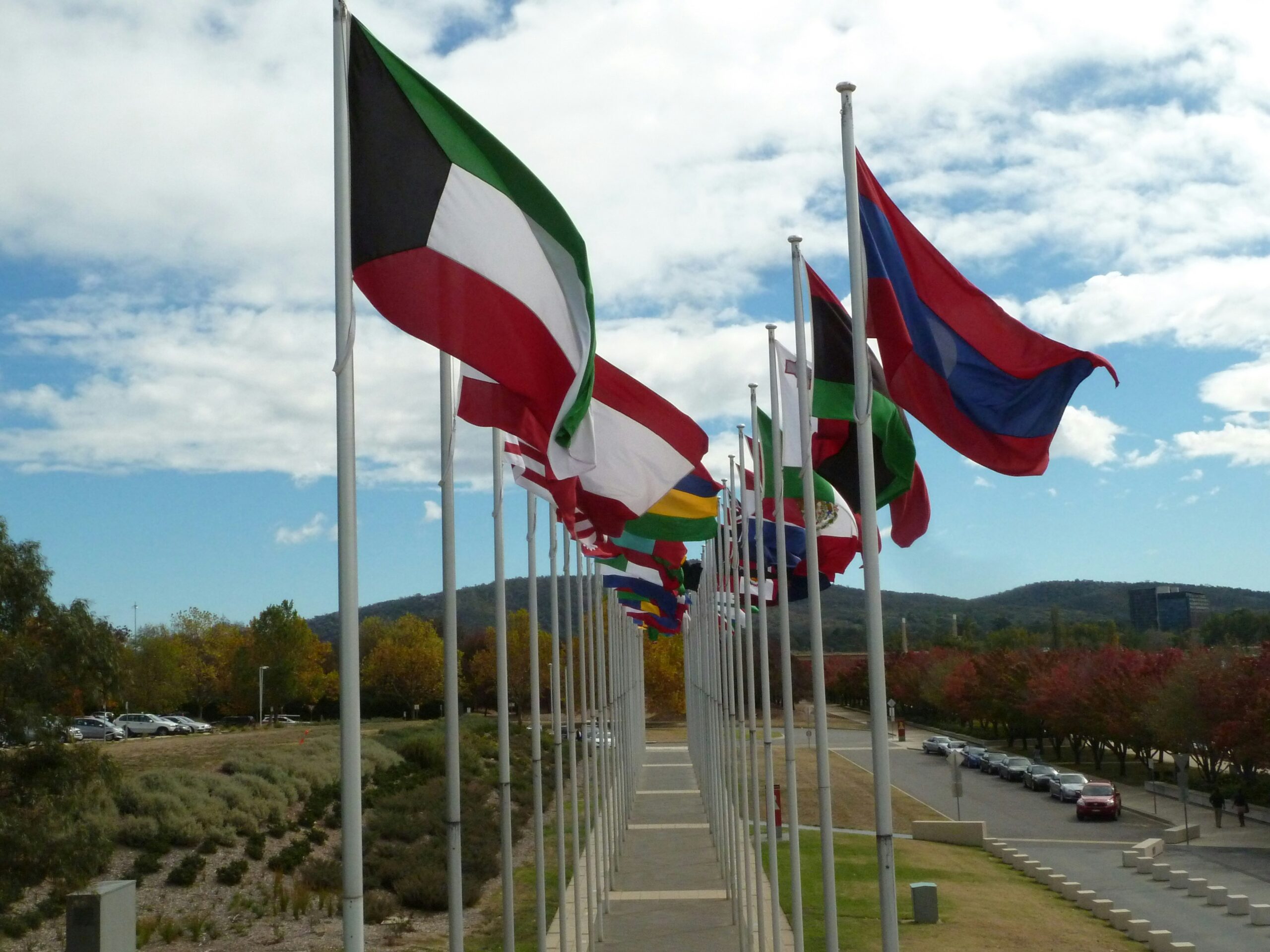
So, how exactly are student diplomacy networks shaping the next wave of global influencers? Think of them as the training grounds, the early networking hubs, where young folks interested in international relations, diplomacy, and global problem-solving get hands-on experience and forge connections that can last a lifetime. These aren’t just abstract concepts; there are concrete programs and organizations actively working to connect future leaders right now.
The Core Function of Student Diplomacy Networks
At their heart, these networks do a few key things. They provide structured opportunities for learning and skill development, often in areas like negotiation, public speaking, cross-cultural communication, and understanding complex international issues. Beyond the skills, they offer invaluable access to people who already work in the field – mentors, experienced professionals, and peers who share similar ambitions. This combination of practical training and genuine connection is what sets them apart.
Developing Practical Diplomatic Skills
It’s one thing to read about diplomacy in a textbook, and another entirely to simulate a negotiation or participate in a policy-making discussion. Student diplomacy networks excel at bridging this gap. They create environments where theoretical knowledge can be applied in real-time, often under the guidance of experienced practitioners.
Simulation and Role-Playing
Many programs incorporate simulations that mirror actual diplomatic scenarios. Think of a mock United Nations General Assembly or a G7 summit where students represent different countries, debate pressing global issues, and try to forge consensus. These exercises build critical thinking and negotiation abilities in a low-stakes but highly engaging environment.
Workshop-Based Learning
Beyond simulations, there are often workshops focused on specific diplomatic tools. These might cover effective public speaking, crafting persuasive arguments, understanding international law, or analyzing geopolitical trends. The emphasis is on acquiring actionable skills that can be used immediately and in future careers.
Fostering Cross-Cultural Understanding
True diplomacy isn’t just about understanding policies, but also about understanding people. Student networks often facilitate direct interaction with individuals from different backgrounds, whether through international exchanges, culturally themed events, or discussions with peers from diverse global regions.
Exchange Programs
Immersive experiences abroad are a cornerstone for many of these networks. High school students, for instance, might participate in programs that place them with host families and involve local community engagement, providing a deep dive into another culture and society. This firsthand experience is irreplaceable for building empathy and nuanced global perspectives.
Intergroup Dialogue
Even within a single country, student groups can bring together individuals from varied ethnic, socioeconomic, and ideological backgrounds. Facilitated dialogues help bridge divides, foster mutual respect, and develop the ability to communicate effectively across differences – a crucial skill for any leader.
Student Diplomacy Networks Connecting Future Leaders is an initiative that emphasizes the importance of fostering global connections among young leaders. A related article that delves deeper into the impact of youth diplomacy on international relations can be found at this link. This article explores how student-led initiatives are shaping the future of diplomacy and encouraging cross-cultural understanding among the next generation of leaders.
Key Organizations and Initiatives Shaping Future Leaders
Several prominent organizations are actively creating these vital platforms for young aspiring diplomats and global citizens. Their structured programs, often with long-standing legacies, provide concrete pathways for development.
Global Ties U.S. and Its Emerging Leaders Program
Global Ties U.S. plays a significant role in connecting communities and fostering international understanding through citizen diplomacy. Their Emerging Leaders Program, now in its 15th year with the 2026 cohort on the horizon, is a prime example. This year-long initiative is designed to train young professionals in the practical art of public diplomacy. It’s not just theoretical; it involves hands-on skills development, guided mentorship from seasoned professionals, and participation in community projects. The explicit tie-in to America’s 250th anniversary suggests a focus on civic engagement and the role of diplomacy in national identity and global relations. This program is a testament to the long-term commitment to nurturing talent.
Program Focus and Duration
The year-long structure of the Global Ties U.S. program indicates a deep dive rather than a superficial overview. This extended period allows participants to fully immerse themselves in the program’s offerings, from in-depth training sessions to meaningful project work and mentorship. The commitment of time suggests a structured approach to developing robust skills and networks.
Mentorship and Community Projects
The emphasis on mentorship is crucial. Young professionals are paired with individuals who have extensive experience in diplomacy and international affairs. This personal guidance can offer invaluable insights, career advice, and networking opportunities. The inclusion of community projects adds a practical, action-oriented dimension, allowing participants to apply their learning in tangible ways that benefit their local communities while fostering a global perspective.
Sister Cities International and Youth Engagement
Sister Cities International has a long history of promoting people-to-people diplomacy. Their 2026 Youth Leadership Summit is specifically tailored for individuals aged 14-18, providing an accessible entry point into the world of international relations. This summit isn’t just about attending lectures; it actively involves participants in diplomatic simulations, offering a taste of what it’s like to work on the global stage, often hosted within prestigious venues like the U.S. Department of State.
Diplomatic Simulations for Young Audiences
For younger participants, the opportunity to engage in simulations at a place like the U.S. Department of State is incredibly impactful. It demystifies the workings of international bodies and government agencies, making the concept of diplomacy tangible and exciting. These simulations are designed to be educational and engaging, encouraging critical thinking and an understanding of multilateral processes.
Workshops and Peer Collaboration
Beyond simulations, the summit offers workshops on essential leadership skills and key global issues. These sessions are often designed to be interactive, encouraging discussion and problem-solving among the young attendees. The emphasis on peer collaboration is fundamental, allowing participants to learn from each other’s perspectives and build a network of like-minded individuals who share their passion for global affairs. This aspect is particularly important in shaping a generation that is comfortable working with diverse groups from an early age.
The Future Leaders Network (UK) and Youth Representation
The Future Leaders Network, based in the UK, is actively involved in preparing young individuals for international roles. A key component of their work is connecting youth with formal international processes, such as their involvement with the Youth7 (Y7). The Y7 is the official youth engagement arm of the G7, providing a platform for young people to contribute to discussions on critical global challenges. This demonstrates a commitment to ensuring that young voices are heard at the highest levels of international policy-making.
UK Delegation to Youth7 (Y7)
Being part of a national delegation to the Youth7 (Y7) is a significant opportunity. It means representing the views of young people from one’s country and engaging in negotiations on pressing global issues like climate change, economic inequality, and global health. This process involves research, policy proposal development, and collaborative debate with peers from other G7 nations. It’s a rigorous experience that hones analytical and advocacy skills.
Negotiating Worldwide Challenges
The core activity within the Y7 framework is the negotiation of policy recommendations. This isn’t just a theoretical exercise; these recommendations are formally presented to G7 leaders. This places a real-world responsibility on the young participants to understand complex issues, develop viable solutions, and articulate them persuasively. It’s a practical lesson in how international dialogue can translate into potential policy shifts.
Student Diplomacy Corps and Immersion Experiences
The Student Diplomacy Corps focuses on high school immersion programs, offering a chance for students to experience life and civic engagement in other countries. Their Program Leadership Applications, opening in December 2025 for the 2026 cycle, highlight the need for motivated leaders to guide these experiences. The organization seeks individuals to lead students in both overseas immersion programs and U.S. college-based components, emphasizing the importance of civic engagement and cultural learning.
High School Immersion Programs Abroad
These programs are designed to immerse high school students in different cultures. Participants live with host families, attend classes, and engage in community service projects. The goal is to provide a deep, authentic experience that fosters cross-cultural understanding and an appreciation for global diversity. The emphasis is on learning by doing, living, and interacting.
U.S. College-Based Experiences and Civic Engagement
In addition to international travel, the Student Diplomacy Corps also offers U.S. college-based experiences. These likely involve seminars, workshops, and interactions with college students and faculty, broadening the understanding of global issues within an academic context. The focus on civic engagement means that participants are encouraged to think about their role as active citizens, both locally and globally, and how they can contribute to positive change. The recruitment of program leaders underscores the pedagogical approach, where guidance and mentorship are integral to the student experience.
The Long-Term Impact on Leadership Development
These networks aren’t just short-term engagements; they are designed to have a lasting impact on how these young individuals approach their future careers and roles in society. The skills and connections forged early on can shape their trajectory significantly.
Building a Global Mindset from an Early Age
By exposing students to international issues and diverse cultures from a young age, these networks cultivate a global mindset. This isn’t about discarding national identity, but rather about understanding how one’s own community and country fit into a larger, interconnected world. This perspective is essential for effective leadership in an era of globalization.
Understanding Interdependence
Participants learn firsthand that global challenges – from climate change to economic stability – do not respect national borders. They begin to grasp the complex web of interdependence that characterizes the modern world. This understanding informs their decision-making and encourages collaborative approaches to problem-solving, rather than purely nationalistic ones.
Developing Empathy and Nuance
Direct interaction with people from different backgrounds, through immersion or simulated dialogues, builds empathy. Students learn to see issues from multiple perspectives, moving beyond simplistic narratives and developing a more nuanced understanding of the world’s complexities. This ability to empathize is a cornerstone of effective diplomacy and inclusive leadership.
Cultivating a Network of Future Collaborators
One of the most significant benefits of these programs is the network they create. The individuals who participate in student diplomacy initiatives are often driven, intelligent, and passionate about making a difference. They are the future leaders, and having a network of peers with similar aspirations can be invaluable throughout their careers.
Peer-to-Peer Learning and Support
The relationships formed within these networks go beyond professional connections. They often become lifelong friendships and sources of mutual support. In the often challenging world of international relations, having a trusted circle of peers who understand the unique pressures and rewards can be incredibly beneficial. Collaborative problem-solving among these peers can also lead to innovative solutions.
Access to Future Opportunities
As participants progress in their careers, their peer network can open doors to new opportunities. This could be anything from job referrals and collaborations on projects to simply having colleagues in different sectors and countries who can offer insights or assistance. This organic network effect is a powerful, albeit often informal, benefit of structured diplomacy programs.
Pathways Beyond Formal Education
These networks provide a crucial bridge, allowing students to translate their academic interests and nascent leadership skills into tangible experiences that prepare them for real-world impact. The emphasis is on active participation and skill application, moving beyond theoretical knowledge.
Bridging Academia and Practice
Many academic programs offer excellent theoretical foundations in international relations or political science. Student diplomacy networks take this knowledge and put it into practice. They provide the “how-to” – how to negotiate, how to communicate across cultures, how to build consensus, and how to advocate for policy.
Experiential Learning Opportunities
The core of these networks lies in experiential learning. Whether it’s drafting policy proposals for a youth summit, participating in a simulated international crisis, or living in a foreign community, students are actively learning by doing. This hands-on approach is far more effective for skill development and retention than passive learning.
Skill Development for the Modern Workforce
The skills honed in these networks – critical thinking, problem-solving, communication, collaboration, and cross-cultural competency – are highly sought after in almost any professional field, not just diplomacy. They equip students with the adaptability and resilience needed to navigate a rapidly changing global landscape, making them attractive candidates for a wide range of careers.
Opportunities for Leadership Roles
The programs themselves often create leadership opportunities for students. This might involve taking on roles within program organizations, leading working groups in simulations, or mentoring younger participants. These early leadership experiences are crucial for building confidence and developing practical leadership competencies.
Program Leadership and Facilitation
Organizations like the Student Diplomacy Corps actively recruit students for leadership roles within their programs. This could involve managing groups of students, assisting with program logistics, or facilitating discussions and activities. These roles provide invaluable experience in managing people, projects, and events.
Driving Initiatives and Policy
For older participants, engagement with groups like the Youth7 or similar policy-oriented forums offers the chance to drive initiatives and contribute to policy development. This involves taking ownership of specific issues, conducting research, and advocating for their proposed solutions. Such opportunities empower students to see themselves as agents of change, capable of influencing real-world outcomes.
Student Diplomacy Networks Connecting Future Leaders is an inspiring initiative that fosters global understanding and collaboration among young individuals. A related article that delves deeper into the impact of such programs can be found here, highlighting how these networks not only enhance diplomatic skills but also promote cultural exchange and mutual respect among diverse communities. Through these experiences, students are better equipped to navigate the complexities of international relations in their future careers.
The Future of Student Diplomacy Networks
The trend is clear: organizations are continuously refining their approaches to engage young people in meaningful ways within the international arena. As the world becomes more interconnected and challenges more complex, the role of these student diplomacy networks will only grow in importance, empowering a new generation of informed and engaged global citizens. The continued evolution of these programs, with their focus on practical skills, direct experience, and impactful connections, solidifies their role as essential incubators for the leaders of tomorrow.
FAQs
What are student diplomacy networks?
Student diplomacy networks are organizations or platforms that connect students and young leaders from different countries to engage in dialogue, collaboration, and exchange of ideas on global issues. These networks aim to foster understanding, cooperation, and friendship among future leaders.
What is the purpose of student diplomacy networks?
The purpose of student diplomacy networks is to provide a platform for young people to develop their leadership skills, gain a deeper understanding of global issues, and build relationships with peers from diverse cultural backgrounds. These networks also aim to promote peace, mutual respect, and international cooperation.
How do student diplomacy networks operate?
Student diplomacy networks operate through various activities such as conferences, workshops, cultural exchanges, and online forums. They often facilitate discussions on topics such as diplomacy, international relations, sustainable development, and human rights. These networks also provide opportunities for students to participate in international projects and initiatives.
What are the benefits of participating in student diplomacy networks?
Participating in student diplomacy networks can provide young leaders with valuable skills in diplomacy, negotiation, and cross-cultural communication. It also offers opportunities to expand their global network, gain new perspectives, and develop a sense of global citizenship. Additionally, involvement in these networks can enhance students’ resumes and future career prospects.
How can students get involved in student diplomacy networks?
Students can get involved in student diplomacy networks by seeking out organizations or platforms that align with their interests and values. They can participate in conferences, workshops, and exchange programs, or join online communities and discussion groups. Many universities and educational institutions also have student diplomacy clubs or associations that students can join.