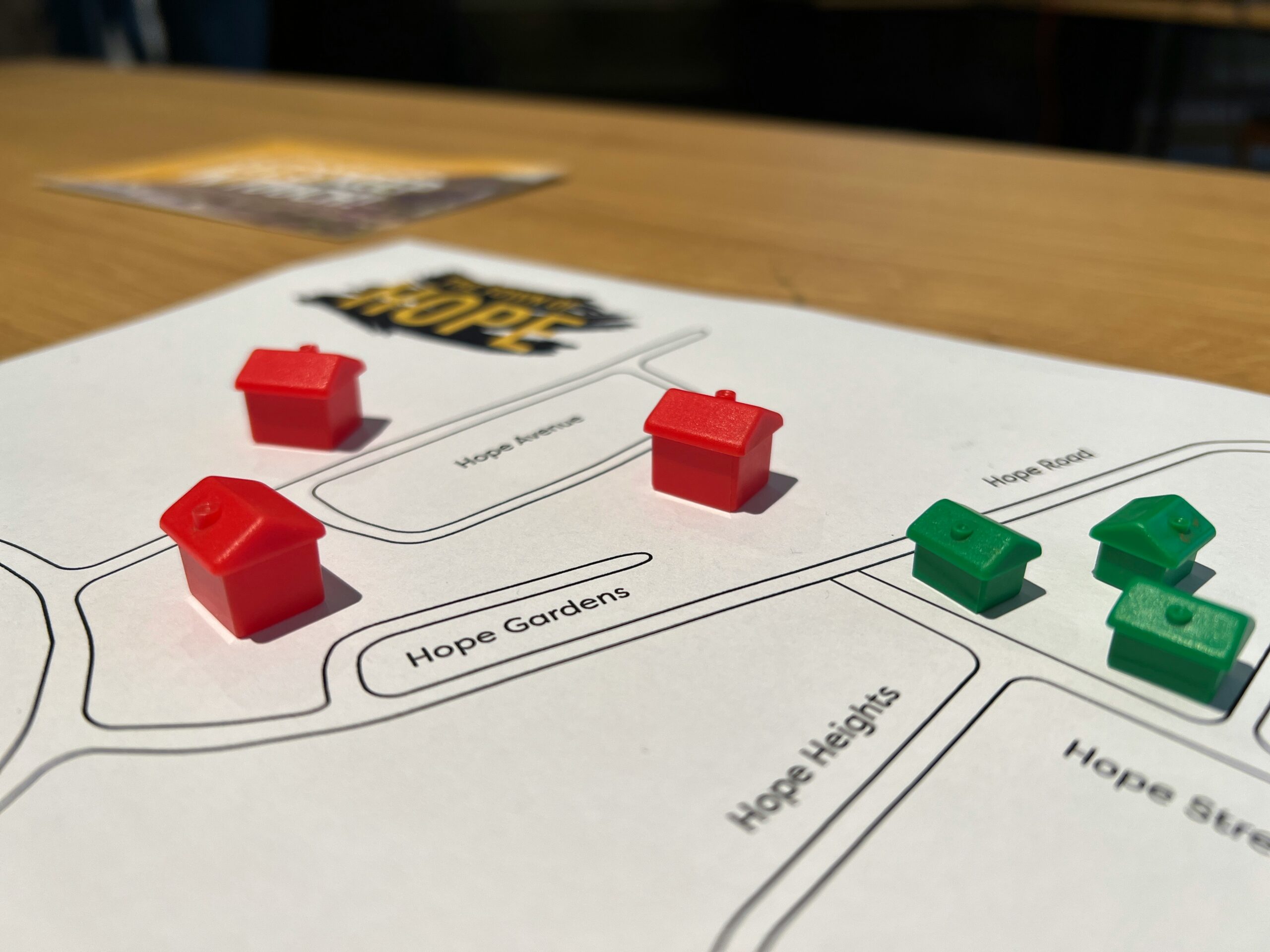
Public policy simulation games are becoming a more common and valuable tool in university education. They offer a practical way for students to apply theoretical knowledge to real-world challenges, helping them develop crucial skills before they step into their careers. These simulations move beyond lectures and textbooks, placing students directly in scenarios where they must analyze complex problems, make difficult decisions, and often collaborate with peers.
Why Simulations Matter for Policy Students
Let’s face it, understanding policy in theory is one thing; making it happen is another. Simulations bridge this gap. They provide a safe space to experiment with different approaches to policy issues, allowing students to see the immediate and downstream effects of their choices without real-world consequences. This helps them grasp the nuances and complexities of public policy in a way that traditional teaching methods often can’t. It’s about learning by doing, which is particularly effective in a field like public policy where practical application is key.
Public policy simulation games in universities have gained significant attention for their ability to engage students in real-world decision-making scenarios. A related article that explores the impact of these games on student learning outcomes can be found at The Day Owl. This resource highlights various case studies and methodologies used in educational settings, illustrating how simulation games can enhance critical thinking and collaborative skills among students.
The Educational Edge of Policy Simulations
These simulations aren’t just engaging; they’re designed with specific learning outcomes in mind. They push students to think critically, analyze data, and consider diverse perspectives.
Developing Critical Thinking and Problem-Solving
In a simulation, students can’t just passively absorb information. They have to actively engage with a problem, dissect its components, and propose solutions. This process sharpens their analytical skills. For instance, in a scenario like wildfire mitigation, they’d need to consider not just financial implications but also community impact, environmental factors, and potential political hurdles. This multifaceted approach is central to effective policy-making.
Fostering Collaboration and Negotiation Skills
Policy work is rarely a solo endeavor. Simulations often require students to work in teams, negotiate with simulated stakeholders, and build consensus. This is a vital part of the learning experience. The University of Georgia, for example, has been using Statecraft Simulations since 2014 to foster these skills in International Relations and US Government classes. These tools are specifically designed to promote active learning and real-world decision-making. Similarly, IU faculty use role-playing simulations to teach coalition-building and negotiation, recognizing these as essential skills for future public servants.
Understanding Diverse Perspectives and Stakeholder Needs
Effective public policy isn’t about what you think is best; it’s about what works for the public. Simulations often include various stakeholders with competing interests, forcing students to consider different viewpoints. The NASPAA Student Simulation Competition, for instance, has integrated Diversity, Equity, and Inclusion (DEI) into its scenarios, like the enhanced wildfire mitigation simulation. This ensures students are not only thinking about technical solutions but also how policies impact different communities and demographics. This emphasis aligns with NASPAA’s revamped simulation initiative, which aims to integrate DEI into public service scenarios, reflecting the universal competencies needed for future public professionals.
Different Forms of University Policy Simulations
Universities are implementing these simulations in various creative ways, from interdisciplinary competitions to course-based modules.
Competitive Simulations: Pushing Boundaries
Some simulations take on a competitive format, challenging students to develop the most effective policy solutions. These often involve significant preparation and in-depth research.
The Lake Forest College Public Policy Analysis Challenge
An excellent example is the Lake Forest College Public Policy Analysis Challenge. For the 2025-2026 academic year, the theme is “Governing the Environment.” This is an ongoing, interdisciplinary competition where student teams analyze complex issues, create evidence-based white papers, and compete for substantial prizes, including a $10,000 award. Past themes, such as “Addressing Addiction” (2024-2025), demonstrate the breadth of public policy issues covered. This type of competition encourages deep dives into specific policy areas and fosters rigorous analytical skills.
The NASPAA Student Simulation Competition
Another prominent competitive event is the NASPAA Student Simulation Competition. The 2026 competition will be hosted by UMass Amherst and will utilize an enhanced wildfire mitigation simulation with a strong DEI focus. This annual global event is open to undergraduate and master’s students, with registration typically running from December to February. It emphasizes public service competencies, with judging often done by practitioners and academics, adding a layer of real-world assessment. This competition is a testament to NASPAA’s commitment to preparing students for the complexities of public service.
Course-Based Simulations: Integrating into the Curriculum
Beyond competitions, simulations are also being woven directly into academic courses, providing a structured learning environment.
UT LBJ School Global Policy Simulation
The University of Texas at Austin’s LBJ School of Public Affairs offers a specific course, the Global Policy Simulation (TBD-195G), led by Larry E. André Jr. This is a face-to-face simulation designed for public affairs students, likely immersing them in a particular global policy challenge. Integrating simulations directly into the curriculum ensures that all students in specific programs gain hands-on experience as part of their regular studies.
Statecraft and Other Online Tools
Many universities are utilizing online simulation platforms. Statecraft Simulations, for instance, offers AI-proof online tools for International Relations and US Government classes. These tools allow for ongoing engagement, enabling professors to integrate simulation activities throughout a semester rather than just in a single event. Their use at UGA since 2014 highlights their longevity and effectiveness in promoting active learning, real-world decision-making, and soft skills like negotiation. These platforms offer flexibility and accessibility, making them practical for a wide range of institutions.
The Practical Benefits for Students
Beyond the immediate learning, public policy simulations offer tangible benefits that extend into students’ professional lives.
Building a Stronger Resume and Portfolio
Participating in these simulations, especially competitive ones, gives students a significant edge when applying for jobs or internships. They can point to concrete examples of their analytical, problem-solving, and teamwork skills. Developing a white paper in a competition like Lake Forest’s or participating in a globally recognized event like NASPAA’s provides valuable additions to a resume and portfolio, showcasing practical experience beyond academic transcripts.
Networking with Professionals and Peers
Many simulations involve practitioners as judges or mentors, offering students valuable opportunities to network with professionals in their field. For example, the NASPAA competition explicitly mentions judging by practitioners and academics. This exposure can open doors to internships, mentorships, and future career opportunities. Additionally, collaborating with peers from different backgrounds and universities can broaden students’ professional networks, which is crucial in the interconnected world of public policy.
Gaining Confidence in Decision-Making
The iterative nature of simulations allows students to test ideas, receive feedback, and refine their approaches. This builds confidence in their ability to analyze complex situations and make reasoned decisions under pressure. The safe environment of a simulation means that mistakes can be learning opportunities rather than career setbacks, fostering a sense of preparedness for real-world challenges. When students step into actual policy roles, they’ll have a stronger foundation to draw upon.
Public policy simulation games in universities have gained significant attention for their ability to engage students in real-world decision-making processes. These interactive tools not only enhance learning outcomes but also foster critical thinking and collaboration among peers. For a deeper understanding of how these games can transform educational experiences, you can explore a related article that discusses their impact on student engagement and learning effectiveness. Check it out here to learn more about the innovative approaches being implemented in higher education.
The Future of Policy Simulations
The ongoing evolution of these simulations, particularly with the integration of AI-proof platforms and DEI considerations, indicates a commitment to keeping them relevant and effective. As policy challenges become increasingly complex and interconnected, the need for graduates who can effectively navigate these complexities will only grow. Universities are responding by offering more sophisticated and immersive learning experiences through public policy simulations, ensuring that the next generation of public servants is well-equipped to make a meaningful impact. Looking ahead, we can expect to see even more innovative approaches, perhaps incorporating virtual reality or even more dynamic stakeholder engagement, further blurring the lines between simulation and reality to prepare students even better.
FAQs
What are public policy simulation games?
Public policy simulation games are interactive, role-playing exercises that allow participants to simulate real-world policy-making processes. These games are often used in universities to help students understand the complexities of public policy and the decision-making involved.
How are public policy simulation games used in universities?
In universities, public policy simulation games are used as educational tools to engage students in hands-on learning experiences. These games allow students to apply theoretical knowledge to practical scenarios, develop critical thinking and problem-solving skills, and gain a deeper understanding of the complexities of public policy.
What are the benefits of using public policy simulation games in universities?
The use of public policy simulation games in universities can help students develop a better understanding of the complexities of public policy, improve their critical thinking and decision-making skills, and gain practical experience in policy-making processes. These games also promote teamwork, collaboration, and communication skills among students.
What are some examples of public policy simulation games used in universities?
Some examples of public policy simulation games used in universities include “Model United Nations” simulations, “Policy-making simulations” where students take on the roles of different stakeholders in a policy-making process, and “Crisis management simulations” where students respond to simulated policy crises.
How can universities integrate public policy simulation games into their curriculum?
Universities can integrate public policy simulation games into their curriculum by incorporating them into relevant courses, creating dedicated simulation-based courses, or organizing extracurricular activities such as simulation competitions or workshops. Additionally, universities can collaborate with organizations or experts in public policy to develop and implement effective simulation games.