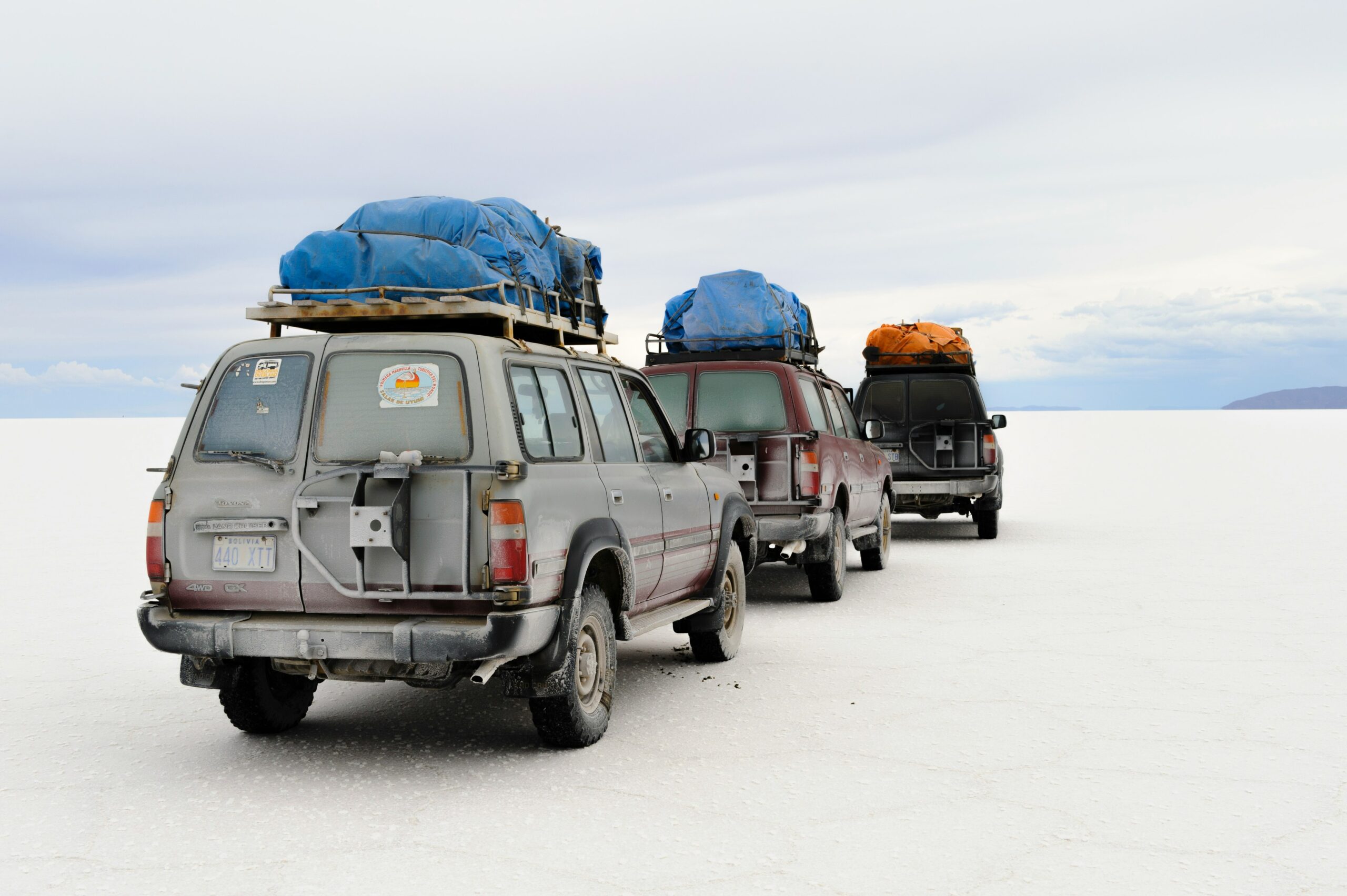
Thinking about swapping textbooks for something a bit more hands-on this summer or during your academic breaks? Field research expeditions can be a game-changer for university students, offering a chance to get out of the lecture hall and into the real world of scientific inquiry. The short answer is: yes, field research expeditions are incredibly valuable for university students, providing practical experience, critical thinking development, and a unique perspective that traditional classroom learning can’t always replicate. They’re not just for science majors, either; the skills you gain are transferable to a wide range of fields.
Why Bother with Field Research?
It’s easy to see university as a pathway to a degree, and that’s a fair assessment. But sometimes, the most impactful learning happens outside the syllabus. Field research offers that kind of opportunity. It’s about applying what you’ve learned in a tangible way, facing real-world challenges, and contributing to actual knowledge. It’s also a fantastic way to figure out what you really enjoy (and what you definitely don’t).
Gaining Real-World Experience
This is probably the most obvious benefit. Imagine studying ecology and then spending a month tracking wildlife in a national park, or learning about ancient civilizations and then participating in an actual dig. This isn’t just theoretical; it’s about doing. You’ll learn techniques, equipment, problem-solving, and the day-to-day realities of research in environments that are often unpredictable.
Developing Critical Skills You Won’t Learn in a Lecture Hall
Fieldwork demands more than just memorization. You’ll develop skills like:
- Problem-solving: Things rarely go exactly to plan in the field. You’ll learn to adapt, improvise, and find solutions on the fly.
- Teamwork: Most expeditions involve working closely with others. You’ll learn to communicate effectively, delegate tasks, and support your team members.
- Data collection and analysis: You’ll be the one gathering the raw data. This teaches you the importance of accuracy, precision, and understanding the context of your findings.
- Resilience and adaptability: You’ll be exposed to different environments, weather conditions, and sometimes, uncomfortable situations. This built-in resilience is invaluable.
- Independent thinking: While you’ll have guidance, you’ll also be making decisions and contributing your own insights.
Networking and Future Opportunities
The people you meet on an expedition – researchers, professors, fellow students – can become your professional network. These connections can lead to future internships, research opportunities, or even job prospects. Seeing how experienced researchers work can also give you a clearer picture of your own career path.
It’s Just Plain Interesting
Let’s be honest, it’s exciting. You get to see new places, experience different cultures, and contribute to something bigger than yourself. It can be incredibly rewarding and, frankly, a lot more fun than another all-nighter in the library.
Field research expeditions offer university students invaluable hands-on experience that enhances their academic learning and fosters a deeper understanding of their chosen fields. For those interested in exploring the benefits and opportunities associated with these expeditions, a related article can be found at this link. This resource provides insights into various field research programs, highlighting how they contribute to personal and professional growth for students.
Where Can You Actually Go? Types of Expeditions
The world is your oyster when it comes to field research. The opportunities are as diverse as the disciplines they serve. From the depths of the ocean to ancient ruins, there’s likely an expedition out there that aligns with your interests.
Archaeological Digs: Unearthing the Past
If history and ancient cultures capture your imagination, archaeology offers a tangible way to engage. You’ll learn excavation techniques, artifact identification, and the meticulous process of piecing together past lives.
- The Near East and Mediterranean: This region is a hotbed for archaeological research. Organizations like the ASOR (American Schools of Oriental Research) frequently list fieldwork opportunities. For 2026, they’re looking for students and volunteers on affiliated projects in the Near East and Mediterranean. They even offer scholarships – around $2,000 – and project grants, with deadlines usually around February 23rd for the following year. You might find yourself involved in projects like the Corinth Excavations in Greece, where the American School offers advanced graduate students a chance to gain supervisory experience and training in various archaeological methods for spring 2026. Similarly, the Argos Excavations in Greece run a field school from June 1st to July 11th, 2026, with applications typically due by May 1st. These sites provide hands-on experience in excavation, surveying, and artifact analysis.
- Global Reach: The Archaeological Institute of America (AIA) Fieldwork List is another valuable resource. They compile a broad range of opportunities for 2026, including niche areas like landscape archaeology. You could find programs in the Balkans (like heritage expeditions in Bulgaria), dive into the archaeology of death in Pompeii, Italy, or explore US-based programs in states like Arizona, Illinois, and Mississippi.
Ecological and Environmental Science: Studying Our Planet
These expeditions focus on understanding and protecting the natural world. You might be collecting samples, monitoring wildlife, assessing habitats, or studying climate change impacts.
- Global Biodiversity Research: Miami University’s Project Dragonfly, through its Earth Expeditions program, is a significant player here. They accept applications for their 2026 graduate courses in a remarkable 15 countries across Africa, Asia, Australia, and the Americas. These expeditions are designed to build towards Master’s degrees, offering a deep dive into conservation and ecology. The application deadlines are generally January 15th globally and February 15th for US sites, so planning ahead is key.
- Conservation Internships: For undergraduates and recent graduates, paid internships can be a fantastic entry point. Consider programs like the Carolina Wildlands Summer 2026 Paid Internship. These are typically aimed at third and fourth-year undergraduates or recent graduates and have a strong focus on field research, putting you right into the heart of conservation efforts.
- Specialized Research: Some institutes offer more intensive, focused programs. The Elevation Science Institute 2026 Field Expedition, for instance, offers a structured experience at a cost of approximately $2,600 per person per week. They also provide a degree of flexibility with refunds available until April 1st of the expedition year, which can be helpful for planning.
Anthropological and Sociological Studies: Understanding Humanity
These expeditions delve into human cultures, societies, and behaviors. You might be conducting interviews, observing community life, or documenting cultural practices.
- Cross-Cultural Immersion: Many programs combine fieldwork with academic credit, making them accessible for students across disciplines. The Institute for Field Research (IFR) Short Programs are a great example. They offer 2-3 week introductory programs in field science across the globe. These are open to university students and often can be taken for academic credit, providing a concise yet impactful introduction to a specific research area.
How to Find and Apply for Expeditions
Navigating the landscape of field expeditions can seem daunting, but with a systematic approach, you can find the right fit. It’s all about proactive searching and understanding application processes.
Start Early and Be Organized
The most competitive and impactful opportunities fill up quickly, and application windows can be narrow.
- Academic Year Planning: For summer expeditions, start looking in the fall or early winter of the preceding year. For expeditions planned during winter or spring breaks, you might need to start searching even earlier, perhaps by the summer.
- Create a Spreadsheet: Keep track of programs you’re interested in, their deadlines, application requirements, costs, and contact information. This will prevent you from missing out on a great opportunity due to disorganization.
Utilize University Resources
Your university is likely your best first stop.
- Departmental Advisors and Professors: Talk to your professors and academic advisors. They often know about relevant field research opportunities, have contacts with researchers, or may even be leading their own expeditions.
- Career Services: University career services departments sometimes list internships and research opportunities, including those that are field-based.
- Study Abroad Office: While not strictly field research, your study abroad office might have information on programs that incorporate fieldwork or international research components.
Online Databases and Affiliated Organizations
Beyond direct university connections, there are many online resources and professional organizations.
- Professional Societies: Organizations like the Archaeological Institute of America (AIA) and the American Schools of Oriental Research (ASOR) are excellent sources for fieldwork listings in their respective fields.
- Dedicated Field Research Platforms: Websites that specifically list field research opportunities, often categorized by discipline or location, are invaluable. These can include university-specific portals and broader science or archaeology resource sites.
- Specific Program Websites: Once you identify a program or institute you’re interested in (like Miami University’s Project Dragonfly or the Institute for Field Research), go directly to their websites. They’ll have the most up-to-date information on applications, costs, and program details.
What to Expect in the Field: The Practicalities
Field research isn’t a vacation; it’s a commitment. Understanding the realities of fieldwork will help you prepare mentally and physically.
The Daily Grind
Fieldwork often involves long hours, physical exertion, and working in challenging conditions.
- Early Mornings and Late Nights: Research doesn’t always adhere to a 9-to-5 schedule. You might be up before dawn to track animals or working late into the evening to process samples.
- Physical Demands: Depending on the discipline, you could be hiking long distances, carrying equipment, digging, or setting up camp. Being in reasonable physical shape is often a prerequisite.
- Basic Living Conditions: Don’t expect luxury accommodations. You might be camping, staying in rustic field stations, or sharing communal living spaces with limited amenities.
Costs and Funding
Field research can be expensive, but there are ways to manage the costs.
- Program Fees: Many programs charge a fee per week or for the entire duration. This often covers accommodation, food, equipment, and sometimes, instructor fees. For example, the Elevation Science Institute has a rate around $2,600 per person per week for their expeditions.
- Travel Expenses: Factor in the cost of flights or other transportation to reach your field site.
- Scholarships and Grants: Look for funding specifically for fieldwork. ASOR offers scholarships in the $2,000 range to help students participate in their affiliated projects. Some universities also have internal grants for student research. The Archaeological Institute of America list may also highlight programs with funding opportunities. Don’t overlook paid internships like the Carolina Wildlands one, which can offset costs entirely.
- Academic Credit: Many programs allow you to earn academic credit, which can sometimes be covered by financial aid or student loans.
Safety and Health
Your well-being is paramount. Reputable field research programs prioritize safety.
- Pre-Departure Briefings: You’ll usually receive thorough briefings on safety protocols, potential hazards, and emergency procedures.
- Experienced Staff: Field research leaders are trained in first aid and emergency management.
- Health Precautions: Depending on the location, you may need vaccinations, specific medications, or to take precautions against insect-borne diseases. It’s crucial to consult with a travel doctor well in advance.
Field research expeditions offer university students invaluable hands-on experience, allowing them to apply theoretical knowledge in real-world settings. Engaging in such activities not only enhances their understanding of various disciplines but also fosters teamwork and problem-solving skills. For those interested in learning more about the benefits and opportunities associated with these expeditions, a related article can be found here. This resource provides insights into how these experiences can shape students’ academic and professional futures.
Making the Most of Your Expedition
Once you’re in the field, how can you ensure you get the maximum benefit from the experience? It’s about engagement and a proactive mindset.
Be Present and Engaged
This isn’t the time to be a passive observer.
- Ask Questions: Don’t be afraid to ask your mentors and fellow researchers about their work, their career paths, and any aspect of the research you don’t understand.
- Participate Actively: Volunteer for tasks, even if they seem menial. Every contribution is important to the overall success of the project.
- Observe and Learn: Pay attention to how experienced researchers approach problems, interact with the environment, and make decisions.
Document Your Experience
This is crucial for reflection and future applications.
- Keep a Field Journal: Record your daily activities, observations, challenges, and insights. This is invaluable for writing reports, personal reflection, and even for future job or graduate school applications.
- Take Photos and Videos (Responsibly): Document the environment, your work, and your team, but always be mindful of privacy and research ethics.
- Collect Resources: Gather any relevant reports, maps, or literature that might be useful for your understanding or for future reference.
Reflect and Integrate
The learning doesn’t stop when the expedition ends.
- Post-Expedition Reflection: Take time to think about what you learned, what skills you developed, and how this experience has impacted your academic and career goals.
- Connect to Your Studies: Try to link your fieldwork experiences back to your coursework. How did it deepen your understanding of a particular concept?
- Update Your Resume/CV: Field research experience is a significant addition to your academic and professional profile. Highlight the specific skills and knowledge you gained.
Is Field Research Right for You?
Ultimately, the decision to embark on a field research expedition is a personal one. It requires a commitment of time, energy, and sometimes, financial resources. However, the rewards – both academic and personal – can be extraordinary.
Self-Assessment is Key
Before hitting “apply,” take an honest look at what you’re ready for.
- Tolerance for Discomfort: Are you prepared for less-than-ideal living conditions, potentially challenging weather, and long hours?
- Desire for Hands-On Learning: Do you thrive on practical application and learning by doing, rather than solely through theoretical study?
- Openness to New Experiences: Are you ready to step outside your comfort zone, travel to new places, and interact with different cultures?
The Long-Term Impact
Field research isn’t just a summer activity; it’s an investment in your future. The experiences you gain can shape your academic trajectory, inform your career choices, and provide you with a unique perspective that sets you apart. It’s about building a foundation of practical knowledge and a robust skillset that will serve you well long after you’ve graduated.
FAQs
What are field research expeditions for university students?
Field research expeditions for university students are educational trips that provide hands-on experience in conducting scientific research in natural environments. These expeditions are typically led by experienced faculty members and allow students to apply classroom knowledge to real-world situations.
What are the benefits of participating in field research expeditions?
Participating in field research expeditions allows students to develop practical research skills, gain a deeper understanding of scientific concepts, and build teamwork and leadership abilities. Additionally, these expeditions provide opportunities for personal and professional growth, networking with experts in the field, and potential publication of research findings.
What types of field research expeditions are available to university students?
Field research expeditions can cover a wide range of disciplines, including biology, ecology, geology, environmental science, anthropology, and more. These expeditions may take place in diverse locations such as rainforests, deserts, mountains, and coastal areas, and can focus on topics such as biodiversity, conservation, climate change, and cultural anthropology.
How can university students find and participate in field research expeditions?
University students can find field research expeditions through their academic departments, research centers, or faculty members. Many universities offer field research courses or programs that include expedition opportunities. Additionally, students can seek out external organizations and research institutions that offer field research expeditions for students.
What should university students consider before participating in a field research expedition?
Before participating in a field research expedition, university students should consider factors such as the location and duration of the expedition, the associated costs and funding opportunities, the required skills and physical demands, as well as any safety and health considerations. It is also important for students to clarify the academic and research expectations of the expedition and to ensure that it aligns with their educational and career goals.