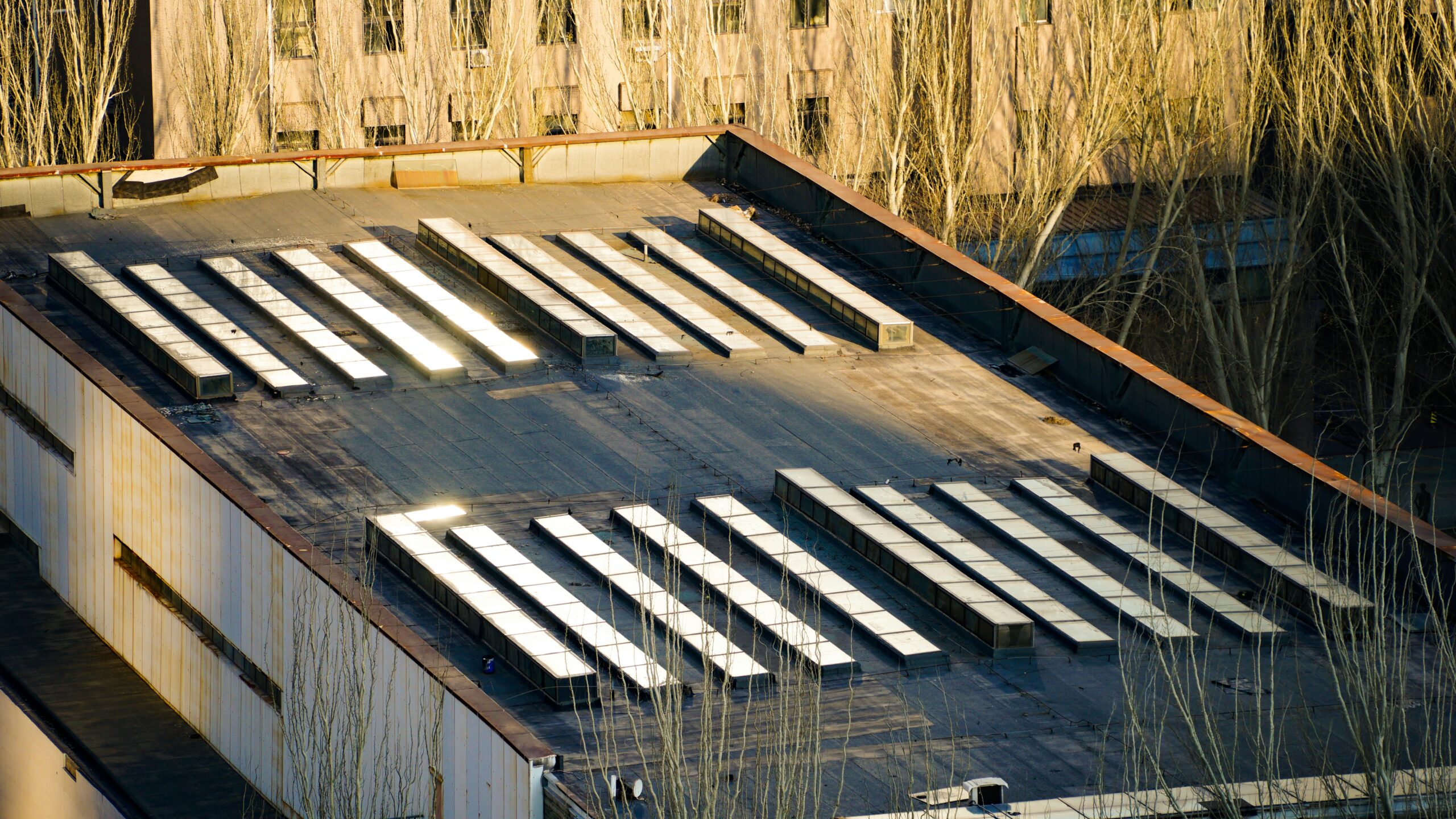
Shed roof frames often need a bit of extra oomph to stand up to heavy snow. The main answer to “how do I reinforce my shed roof frame against snow loads?” is by adding extra support such as purlins, rafter ties, or beefing up existing rafters, and ensuring your connections are strong. This proactive approach can save you a lot of headache (and repair costs) down the line, especially if you live in an area prone to significant snowfall. It’s definitely not a set-it-and-forget-it situation; taking some time to assess your shed’s current structure and reinforce it appropriately can make all the difference when winter truly bites.
Understanding Snow Loads and Your Shed
Before you grab your tools, it’s helpful to understand what we’re actually talking about. Snow isn’t just fluffy white stuff; it has weight, and that weight can accumulate quickly.
What is a Snow Load?
A snow load refers to the downward force exerted by accumulated snow and ice on a structure’s roof. This isn’t a static number; it depends on several factors:
- Snow Depth: Heavier snowfall obviously means more weight.
- Snow Density: Freshly fallen, fluffy snow is lighter than wet, compacted snow or ice. Wet snow can be incredibly heavy.
- Roof Pitch: Steeper roofs allow snow to slide off more easily, reducing accumulation. Shallower roofs hold snow longer.
- Drifting: Wind can cause snow to drift and pile up unevenly, creating localized heavy loads.
Why Sheds Are Vulnerable
Sheds are often built to less stringent building codes than houses, if any at all for smaller structures. This means:
- Lighter Framing: Rafters might be smaller in dimension (e.g., 2x3s instead of 2x6s).
- Wider Spacing: Rafters might be spaced further apart than ideal, increasing the span unsupported by each individual rafter.
- Lower Quality Materials: Sometimes, sheds use lower-grade lumber or less robust fasteners.
- Basic Design: Many shed designs prioritize cost-effectiveness and ease of assembly over extreme load bearing.
Ignoring these vulnerabilities can lead to sagging roofs, cracked rafters, and even full-on collapse, which nobody wants.
For those interested in enhancing the structural integrity of shed roof frames against snow loads, a related article provides valuable insights on effective reinforcement techniques. This resource discusses various materials and design strategies that can significantly improve the resilience of roof structures during heavy snowfall. To explore these methods further, you can read the article here: Reinforcing Shed Roof Frames Against Snow Loads.
Assessing Your Existing Shed Structure
Before you start adding new lumber, take a good look at what you’ve got. This assessment will help you determine the most effective reinforcement strategy.
Visual Inspection from Inside
Climb into your shed and look up. What do you see?
- Rafter Size and Spacing: Are your rafters 2x4s, 2x6s, or something else? How far apart are they spaced (16 inches on center, 24 inches on center, etc.)?
- Existing Supports: Are there any purlins or collar ties already in place? Purlins run perpendicular to the rafters. Collar ties connect opposing rafters higher up in the attic space.
- Sagging or Damage: Do any rafters show signs of sagging, bowing, or cracking? Even minor damage can indicate a weakness.
- Connection Points: How are the rafters connected to the top plates and to each other at the ridge? Look for metal hurricane ties, nails, or screws. Are these connections snug or do they look loose?
Visual Inspection from Outside
- Roof Pitch: How steep is your roof? A very low-slope roof will accumulate more snow.
- Overhangs: Are there any significant overhangs? These can be points of weakness if not properly supported, as snow can accumulate further out.
- Roofing Material Condition: While not directly related to frame strength, good roofing (shingles, metal, etc.) prevents moisture infiltration, which can rot wood and weaken the structure over time. Ensure there are no leaks.
Checking Local Building Codes (If Applicable)
For larger sheds or if you’re concerned about compliance, a quick check with your local building department can be insightful. They might have specific snow load requirements for your area, even for accessory structures. While small sheds often fly under the radar, knowing the official standard can guide your reinforcement choices.
Reinforcement Strategies: Adding Support
Once you’ve assessed your shed, you can start planning your reinforcements. Think of it as adding a skeletal support system.
Adding Purlins and Struts
Purlins are horizontal beams that run perpendicular to your rafters, providing intermediate support. Struts are vertical or angled supports that transfer the purlin’s load down to a strong bearing wall or floor joist.
- What they do: Purlins reduce the unsupported span of each rafter, meaning each rafter has to bear less weight over a shorter distance. The struts then carry that weight down, preventing the purlins from bowing.
- Placement: Typically, purlins are placed roughly midway between the eave and the ridge. You might install one or two rows of purlins on each side of the roof, depending on your roof’s span and original rafter spacing.
- Materials: Use lumber that matches or exceeds your existing rafters, e.g., 2x4s or 2x6s. For struts, the same size works well.
- Installation:
- Secure the Purlins: Attach the purlins to the underside of the rafters using structural screws or appropriate nails. Ensure a strong connection at each rafter intersection.
- Install Struts: For every 4-6 feet of purlin length (or at each rafter for smaller sheds), install a vertical strut connecting the purlin down to a sturdy part of the shed’s frame. Ideally, these struts should align with wall studs or floor joists below to transfer the load effectively. If aligning with wall studs isn’t possible, ensure the bottom of the strut is firmly connected to a solid header or blocking. For very wide sheds, you might need to build a small interior bearing wall for the struts to rest on.
- Angled Struts (if vertical isn’t practical): If a direct vertical path isn’t feasible, you can use angled struts, often forming A-frames, to transfer the load to the side walls. Ensure these angled struts are securely fixed at both ends and can handle the compressive force.
Adding Rafter Ties or Collar Ties
These terms are sometimes used interchangeably but technically refer to slightly different placements. Both help prevent the roof from spreading outwards under load.
- Rafter Ties: These are typically installed lower down on the rafters, often at the level of the top plate or ceiling joists if your shed has them. They act in tension to prevent the walls from being pushed outwards by the weight on the roof.
- Collar Ties: These are installed higher up on the rafters, usually in the upper third of the attic space, closer to the ridge. They primarily prevent the rafters from separating at the ridge under stress and also help resist wind uplift.
- What they do: Both types of ties form a triangular structure with the rafters, which is inherently stable. They prevent the bottom of the rafter “triangle” from spreading out, which would cause the ridge to sag and the walls to bow.
- Materials: Use lumber that matches your rafters, or at least 2x4s for most shed applications.
- Installation:
- Cut to Fit: Cut lengths of lumber to fit snugly between opposing rafters.
- Secure Connections: Attach them firmly to the side of each rafter using structural screws or framing nails, ensuring good penetration. You’ll want to use at least two fasteners per connection point to resist rotation.
- Spacing: Install them on every other rafter, or even every rafter for maximum strength. For collar ties, aim for them to be in the upper third of the roof’s height. Rafter ties can be at the bottom of the rafter triangle.
Doubling Up Rafters or Joists
This is a straightforward method for increasing the load-bearing capacity of individual members.
- What it does: By sistering (attaching a new piece of lumber alongside) an existing rafter, you effectively create a much stronger composite beam. This spreads the load over a larger cross-section of wood.
- When to use: Ideal for sagging rafters, or if your existing rafters are undersized for your area’s snow loads without adding complex purlin systems.
- Materials: Use new lumber of the same dimension as your existing rafters, or even a slightly larger one if feasible (e.g., sistering a 2×4 with a 2×6). Ensure the new lumber is straight and free of significant defects.
- Installation:
- Cut to Length: Cut the new lumber to match the full length of the existing rafter from the eave to the ridge.
- Position and Secure: Position the new lumber flush against the existing rafter. If the existing rafter is bowed, try to gently push it back into position while attaching the new piece.
- Staggered Fasteners: Use structural screws or nails to fasten the new lumber to the old, staggering the fasteners in a zig-zag pattern every 12-18 inches along the entire length. This ensures a strong connection and prevents shear failure between the two pieces.
Reinforcing Connections
A chain is only as strong as its weakest link, and for a shed roof, those links are often the connections between structural components.
Using Metal Hurricane Ties and Joist Hangers
These specialized metal connectors provide superior strength compared to basic nailing.
- Hurricane Ties: These angle brackets are designed to resist uplift forces (from wind, but also help with outward spreading forces from snow). They connect rafters to top plates or ridge beams.
- Installation: Position them correctly so they straddle the joint and fastener holes align with both pieces of lumber. Use the specified fasteners (often short, stout nails or screws).
- Joist Hangers: While more commonly associated with floor joists, smaller versions can be used to connect purlins to struts or to create very strong connections where lumber meets at right angles.
- Installation: They wrap around the end of one piece of lumber and attach to the side of the other, providing a strong mechanical connection. Again, use the fasteners specified by the manufacturer.
Bolting vs. Nailing/Screwing
Sometimes, you need more than just a nail or screw to hold things together.
- Bolts: For critical connections, especially where large timbers meet or where you’re dealing with significant tension/compression, carriage bolts or through-bolts with washers and nuts offer far superior strength.
- When to use: Consider bolts for connecting purlin struts to main beams, or for attaching major reinforcing members if you’re building a highly robust system.
- Installation: Drill through both pieces of lumber, insert the bolt, add a washer under the nut, and tighten firmly. Don’t overtighten to the point of crushing the wood.
- Structural Screws: Modern structural screws (examples include LedgerLoks, TimberLoks, etc.) are a fantastic alternative to traditional lag screws or even bolting in many situations. They offer high shear and withdrawal strength, often don’t require pre-drilling, and are quicker to install than bolts.
- When to use: Excellent for sistering rafters, attaching purlins, and making strong general connections.
- Installation: Follow manufacturer guidelines for spacing and driving, usually with an impact driver.
When considering the structural integrity of outdoor sheds, it is essential to understand how to effectively reinforce shed roof frames against snow loads. A related article that provides valuable insights on this topic can be found at this link, where you can explore various techniques and materials that can enhance the durability of your shed. Proper reinforcement not only ensures safety during harsh winter conditions but also extends the lifespan of your structure, making it a worthwhile investment for any homeowner.
Ongoing Maintenance and Practical Tips
Reinforcing your shed isn’t a one-and-done deal. A little ongoing effort can prevent potential problems.
Regular Snow Removal
This is the most direct way to reduce snow load.
- Snow Rake: Invest in a good quality roof rake with an extendable handle. This allows you to safely pull snow off the roof from the ground.
- Timing: Remove snow before it gets too deep or heavy (e.g., before it starts to melt and refreeze into ice). A few inches of wet snow can weigh more than a foot of light, fluffy snow.
- Safety First: Never climb onto a snow-covered roof, especially if it’s icy. Be aware of where the snow will fall and ensure no one is underneath. Watch out for power lines.
Inspect Annually
Even if you’ve reinforced your roof, make it a habit to check it annually, ideally before winter hits and again in the spring.
- Look for New Damage: Check for any new sagging, cracks, or signs of stress.
- Check Connections: Ensure all fasteners are still tight and no wood is splitting around them. If you see movement, reinforce it.
- Moisture Issues: Any signs of water leaks or dampness in the shed indicate a problem with your roof covering, which can lead to rot and weaken the frame over time. Address these immediately.
Improve Drainage
Good drainage around your shed can indirectly help your roof.
- Gutters: Install gutters and downspouts to direct water away from the shed’s foundation. This prevents water from pooling at the base, which can lead to rot in the lower walls or a compromised foundation.
- Ground Slope: Ensure the ground around your shed slopes away from it, rather than towards it. This also helps with moisture management.
Consider a Temporary Support Post
For very large sheds with wide spans or if you anticipate an exceptionally heavy snowfall, a temporary support post can be a lifesaver.
- Placement: Position a sturdy 4×4 or 6×6 post in the center of the shed, or under a purlin, directly beneath the roof’s peak or the heaviest potential load area.
- Bearing: Place it on a wide, thick piece of plywood (at least 3/4 inch) to spread the load on your shed floor. If your shed floor is weak, you may need to beef up the floor under the post with additional blocking or another piece of plywood.
- Top Support: Ensure a small head plate (e.g., a 2×6 or 2×8) is on top of the post to spread the load across a wider section of the roof framing.
- Adjustment: Use a jack post (adjustable steel post) if possible, which allows you to gently raise it into position and take up any slack without overly stressing the roof.
Reinforcing your shed roof frame against snow loads is a practical investment in the longevity and safety of your shed. By understanding the forces at play, assessing your existing structure, applying appropriate reinforcement techniques, and performing regular maintenance, you can ensure your shed stands strong through many winters. It’s about being prepared, not paranoid.
FAQs
What are snow loads and why are they a concern for shed roof frames?
Snow loads refer to the weight of snow that accumulates on a roof. This can be a concern for shed roof frames as excessive snow accumulation can cause structural damage or collapse if the frame is not designed to withstand the weight.
What are some ways to reinforce shed roof frames against snow loads?
Some ways to reinforce shed roof frames against snow loads include using stronger materials for the frame, adding additional support beams or trusses, and ensuring proper roof pitch to allow for snow to slide off.
How can I determine the snow load requirements for my shed roof frame?
Snow load requirements can vary based on location and building codes. It is important to consult local building codes and regulations, as well as a structural engineer, to determine the specific snow load requirements for your shed roof frame.
Are there any specific design considerations for shed roof frames in areas with heavy snowfall?
In areas with heavy snowfall, it is important to consider the roof pitch, the use of snow guards or barriers to prevent snow from sliding off too quickly, and the use of materials that are specifically designed to withstand heavy snow loads.
What are the potential consequences of not reinforcing shed roof frames against snow loads?
Failure to reinforce shed roof frames against snow loads can result in structural damage, roof collapse, and potential safety hazards for anyone inside or near the shed. It can also lead to costly repairs and potential legal liabilities.