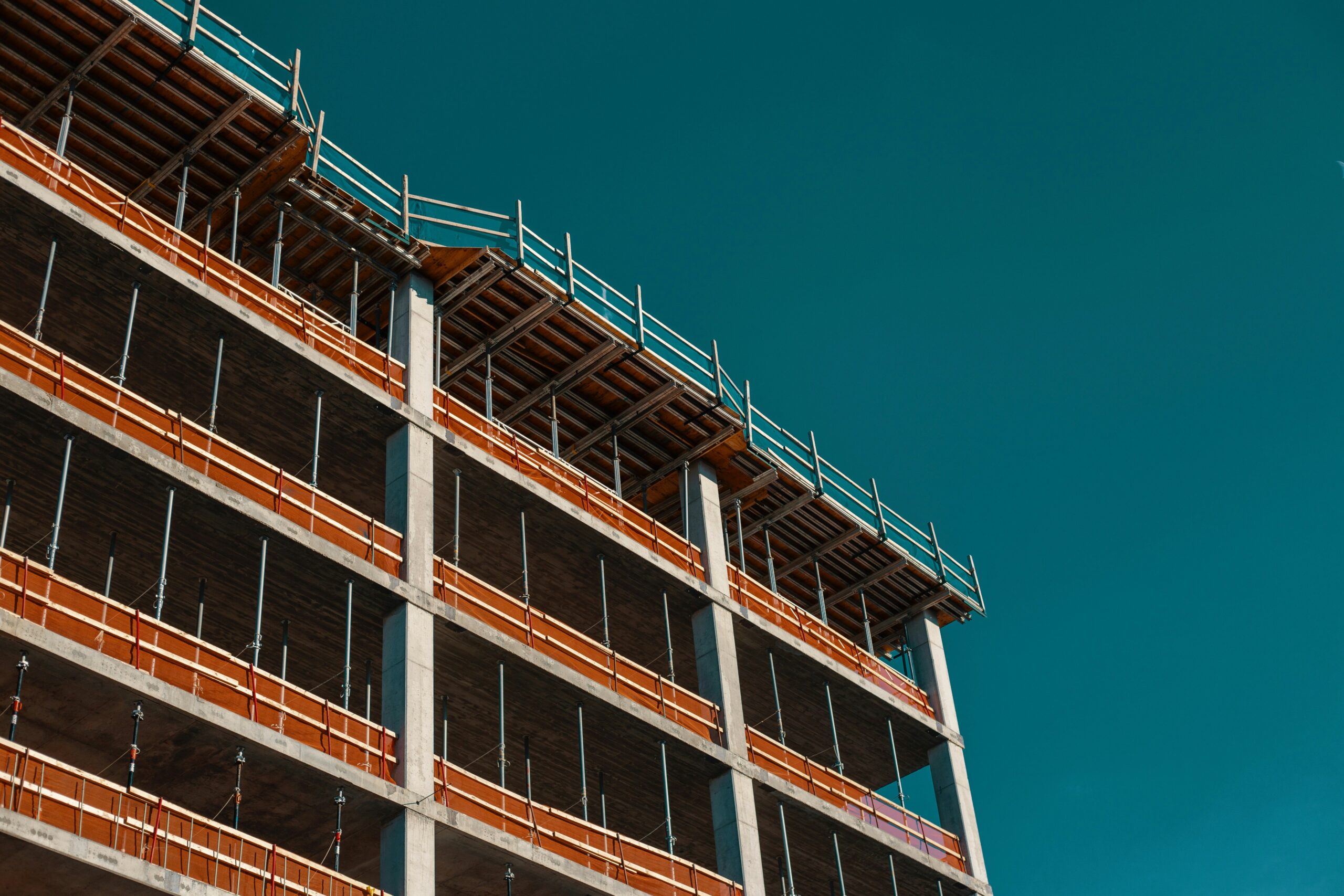
If you’re wondering what happens when you don’t follow building codes, the short answer is: a lot of trouble. Ignoring these rules can lead to serious legal and financial issues, from hefty fines and project delays to even criminal charges. It’s not just about getting caught; non-compliance can have lasting impacts on your property, finances, and even your reputation.
Why Building Codes Matter
Building codes aren’t just arbitrary rules; they’re in place to ensure safety, structural integrity, and the overall quality of construction. Think of them as a minimum standard for building. When you deviate from these standards, you’re not just cutting corners; you’re potentially creating hazards for occupants and future owners. They cover everything from electrical and plumbing systems to structural design and fire safety.
In exploring the implications of neglecting building code compliance, it is essential to consider the article titled “The Hidden Costs of Skipping Building Inspections,” which delves into the financial and legal repercussions that can arise from such oversight. This article highlights how failing to adhere to building codes can lead to significant penalties, increased insurance premiums, and potential liability issues in the event of accidents or damages. For more insights, you can read the full article here: The Hidden Costs of Skipping Building Inspections.
Immediate Repercussions: Stop Orders and Fines
One of the first and most common consequences of ignoring building codes is a stop-work order. When an inspector identifies a violation, they can halt all construction until the issue is resolved. This isn’t just an inconvenience; it can be incredibly costly.
Stop-Work Orders and Project Delays
Imagine a construction crew sitting idle, machinery rented and not in use, and deadlines looming. A stop-work order can quickly drain project budgets. Even a small violation can lead to significant delays, pushing back completion dates and impacting subsequent stages of a project. These delays can trickle down, affecting not only the current project but also any future commitments.
Monetary Penalties and Escalating Fines
Beyond just work stoppages, you’ll likely face fines. These aren’t always a one-time thing. In many jurisdictions, like Florida, fines can escalate over time if violations aren’t addressed. The longer you ignore the problem, the more expensive it becomes.
For example, a minor code breach might start with a moderate fine, but if left uncorrected, that fine could double or triple weekly. These escalating penalties are designed to incentivize prompt compliance, making inaction a costly choice.
Long-Term Financial Blows: Insurance and Property Value
The financial impact of non-compliance extends far beyond immediate fines. It can affect your ability to insure your property, its market value, and even your eligibility for future projects.
Insurance Denials and Cancelled Coverage
Insurance companies are in the business of assessing risk. If your property is found to be non-compliant with building codes, insurers may view it as a high-risk asset. This can lead to:
- Denial of Coverage: They might refuse to insure the property at all.
- Cancellation of Existing Policies: If violations are discovered after a policy is issued, your insurance could be cancelled.
- Claim Denials: Perhaps most critically, if you experience damage (e.g., from a storm, fire, or structural failure) and it’s linked to a code violation, your insurer might deny your claim entirely. This means you’d be on the hook for all repair costs.
Consider the increasing importance of climate liability. Even if a building met codes at the time of construction, if those codes are now outdated and the building is damaged by increasingly severe weather, insurance companies might scrutinize the level of compliance. Builders are increasingly expected to exceed minimum codes and incorporate climate data into their designs to mitigate these risks.
Reduced Property Value and Marketability
A property with known code violations is a tough sell. Potential buyers will be wary of the legal and financial liabilities they’d inherit. Lenders are also hesitant to finance properties with unaddressed code issues. This can significantly drive down the market value of your property and make it difficult to sell or refinance. You might find yourself having to disclose these violations, which further deters buyers.
Legal Liabilities: Lawsuits, Permit Revocation, and Criminal Charges
The legal ramifications of ignoring building codes can range from civil lawsuits to criminal charges, depending on the severity of the violation and the resulting damage.
Lawsuits from Damages or Injuries
If a code violation leads to injury or property damage, you could face significant lawsuits. Imagine a balcony constructed without meeting specific structural load requirements, and it collapses, injuring individuals. The financial and legal fallout would be immense. For instance, in California, new laws like SB 410 emphasize stringent balcony inspections. Ignoring these could lead to direct violations, fines, and serious legal challenges if an incident occurs.
Similarly, structural failures or issues stemming from outdated codes, especially in areas prone to specific risks like Florida (e.g., hurricanes), can lead to lawsuits from those impacted. This includes tenants, visitors, or even adjacent property owners. These lawsuits can result in massive financial judgments against you.
Permit Revocations and Future Project Restrictions
When code violations are discovered, your building permits can be revoked. This effectively makes any ongoing construction illegal. Beyond the immediate project, a history of non-compliance can impact your ability to get permits for future projects. Regulatory bodies might flag you as a high-risk applicant, making it harder to secure the necessary approvals, leading to further delays and increased scrutiny.
Criminal Liability in Severe Cases
While less common, severe disregard for building codes that results in significant harm or death can lead to criminal charges. This is particularly true if negligence can be proven. For example, if a structural engineer signed off on a faulty design that intentionally ignored codes, leading to a collapse and fatalities, they could face charges like criminal negligence or even manslaughter, depending on the jurisdiction. It’s a stark reminder that these codes are not just bureaucratic hurdles; they are fundamental safety standards.
Understanding the implications of building code compliance is crucial for property owners and developers alike. Ignoring these regulations can lead to severe legal consequences, including fines and potential lawsuits. For a deeper insight into the topic, you might find the article on building safety regulations particularly informative, as it explores the importance of adhering to local codes and the risks associated with non-compliance. By staying informed, stakeholders can better navigate the complexities of construction law and ensure their projects meet all necessary standards.
Broader Compliance Impacts: Contractor Discipline and Evolving Regulations
The world of building codes is constantly evolving, and ignoring these changes or broader compliance issues can have extensive consequences, even for contractors themselves.
Contractor License Suspension and Revocation
For contractors, the stakes are particularly high. Not only can non-compliance lead to project issues, but it can also jeopardize their ability to practice their trade. In California, for example, AB 1002 directly links wage violations to construction non-compliance. This means that if a contractor is found to be cutting corners on wages in a project that also has code violations, their license could be suspended or even revoked. This effectively ends their career as a licensed contractor. License revocation is an ultimate consequence, as it strips industry professionals of their ability to legally operate.
Adapting to New Code Cycles (e.g., Pennsylvania 2026, UK Building Safety Act 2026)
Building codes are not static. New versions and updates are regularly introduced, and it’s critical to stay updated. Failure to do so can lead to costly redesigns and delays.
- Pennsylvania’s 2026 Code: Projects initiating construction after January 1, 2026, must adhere to the 2021 International Codes (I-Codes). If a project’s permits were filed under previous code versions but construction doesn’t start until after this date, it risks needing redesigns, re-submissions, and additional costs to meet the new standards. Missing these deadlines due to delays or oversight can be very expensive.
- UK Building Safety Act (2026): The full enforcement of the UK’s Building Safety Act in 2026 brings heightened compliance risks for both commercial and residential properties. This isn’t just about new builds; existing properties may also face increased scrutiny, with potential fines and significant liability for building owners and managers if safety standards are not met. The Act significantly expands accountability and the scope of required documentation and safety measures.
Climate Resiliency and Exceeding Minimum Codes
An increasingly important area is “climate liability.” As weather patterns become more extreme, simply meeting the minimum building code requirements might not be enough to shield builders from negligence lawsuits. If a structure is damaged by an event that was reasonably foreseeable (e.g., hurricane in a hurricane zone, flooding in a flood zone), and the builder didn’t exceed the minimum codes, they could be held liable. This means builders and developers must proactively integrate climate data and build beyond minimum standards to ensure long-term resilience and avoid future legal challenges.
Opportunities for Correction: Curing Violations
While the consequences can be severe, in many cases, especially with less egregious violations, jurisdictions offer a “cure opportunity.” This means you are given a chance to correct the non-compliant work within a specified timeframe.
California’s AB 130 and Cure Opportunities
New laws, such as California’s AB 130, emphasize reasonable fines and cure opportunities before more aggressive enforcement actions are taken. This is a practical approach designed to achieve compliance rather than just punishment. If you receive a notice of violation, it’s crucial to act promptly and address the issues. Ignoring these “cure opportunities” is often what escalates the situation, turning a manageable problem into a much larger, more expensive one.
The Importance of Timely Remediation
When a violation is identified, the best approach is always to address it quickly and thoroughly. This involves:
- Understanding the Violation: Get a clear explanation from the inspector about what needs to be fixed.
- Obtaining Necessary Permits: Even for remediation work, you might need new or amended permits.
- Hiring Qualified Professionals: Ensure the work is done correctly and to code by licensed and experienced professionals.
- Scheduling Re-Inspections: Don’t assume the problem is solved; have the work re-inspected and approved.
Final Thoughts: Prevention is Key
The legal and financial repercussions of ignoring building code compliance are significant and wide-ranging. From immediate project halts and fines to long-term issues like insurance denials and criminal liability, the risks far outweigh any perceived benefits of cutting corners. Staying informed about current codes, especially regional updates like those in California, Florida, Pennsylvania, and the UK, and proactively ensuring compliance throughout construction are essential for a smooth, safe, and legally sound project. It’s not just about avoiding penalties; it’s about building responsibly.
FAQs
What are building codes?
Building codes are a set of regulations and standards that specify the minimum requirements for construction, design, and maintenance of buildings. These codes are put in place to ensure the safety and welfare of the public.
What are the legal consequences of ignoring building code compliance?
Ignoring building code compliance can result in legal consequences such as fines, penalties, and even the possibility of having to demolish or rebuild non-compliant structures. In some cases, non-compliance can also lead to civil lawsuits if someone is injured due to the lack of adherence to building codes.
How can ignoring building code compliance affect property value?
Ignoring building code compliance can negatively impact the property value. Non-compliant structures may be difficult to sell or rent, and they may not be eligible for certain types of insurance. Additionally, potential buyers or tenants may be deterred by the potential legal and financial risks associated with non-compliant buildings.
What are the risks of ignoring building code compliance for businesses?
Businesses that ignore building code compliance may face significant risks, including legal liabilities, reputational damage, and potential disruptions to their operations. Non-compliant buildings may also be subject to closure or restrictions by local authorities, leading to loss of revenue and customer trust.
How can building owners ensure compliance with building codes?
Building owners can ensure compliance with building codes by working with qualified architects, engineers, and contractors who are knowledgeable about local building regulations. Regular inspections and maintenance can also help ensure ongoing compliance with building codes. Additionally, staying informed about updates to building codes and regulations is crucial for maintaining compliance.