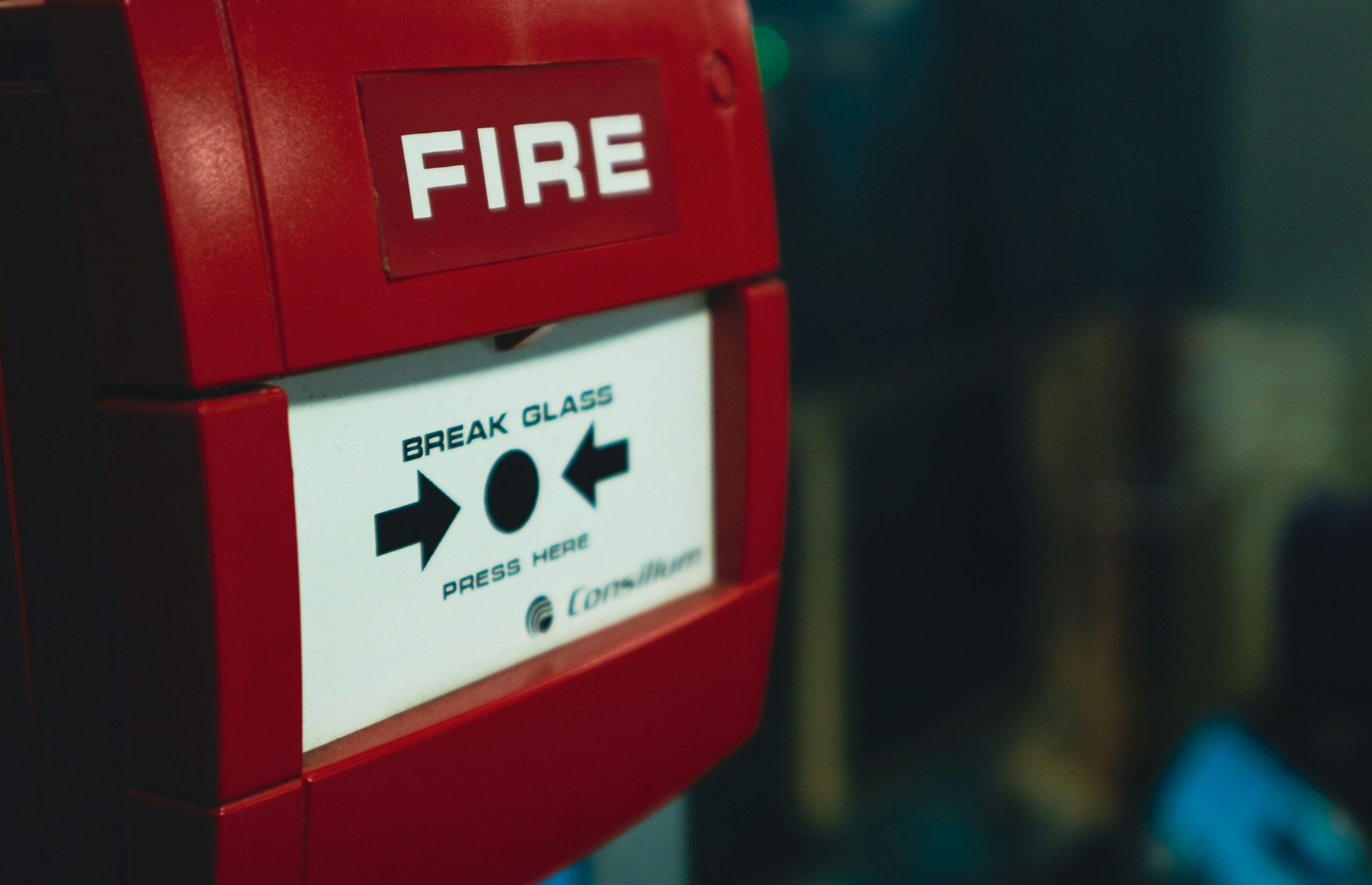
Fire safety codes are a big deal when it comes to how buildings end up looking and working. They’re not just a bunch of rules; they actively shape the physical design, dictating everything from the materials we use to the way spaces are laid out. Think of them as a blueprint for safety, baked right into the foundation and walls of our structures.
Fire safety codes might seem like they’re just there to make things complicated, but they’re really about saving lives and reducing property damage. They are the result of years of study, learning from past tragedies, and constant innovation to address new building technologies and materials.
A History Shaped by Fire
It’s essential to understand that these codes didn’t appear out of thin air. Many of them are direct responses to significant fire events throughout history. Think about the lessons learned from the Great Fire of London, or more recent incidents that have highlighted weaknesses in building materials or escape routes. This historical context really drives the evolution of codes.
The Goal: Containment, Egress, and Suppression
At their core, fire safety codes aim for three main things:
- Containment: Preventing a fire from spreading too quickly. This involves specifying how fire-resistant different parts of a building need to be.
- Egress: Ensuring people can get out safely and quickly if a fire does start. This dictates the size, number, and location of exits, as well as the width of corridors.
- Suppression: Having systems in place to fight the fire. This is where sprinklers, alarms, and other suppression technologies come in.
In exploring the intricate relationship between fire safety codes and building design, one can gain further insights by reading the article on The Day Owl, which delves into the impact of regulatory frameworks on architectural innovation. This article highlights how compliance with fire safety regulations not only enhances occupant safety but also influences aesthetic and functional aspects of modern buildings. For more information, you can read the article here: The Day Owl.
Material Matters: How Codes Dictate What Goes into Buildings
One of the most visible ways fire codes influence design is through the selection of building materials. It’s not just about aesthetics or cost anymore; the flammability and fire resistance of materials are heavily regulated.
Combustible vs. Non-Combustible Materials
- The Basics: Codes draw a clear line between materials that readily burn and those that don’t. This distinction is fundamental to determining how a building is constructed and where certain materials can be used.
- Examples: Think of the difference between a brick wall and a wall covered in highly flammable insulation. The code will dictate the type of insulation, how it’s installed, and whether it needs an additional fire barrier.
Upholstery and Furnishings
- Beyond the Structure: It’s not just the walls and roof. Fire codes also extend to the interior furnishings. This is particularly relevant for places like hotels, schools, and hospitals where large amounts of potentially flammable materials are present.
- Testing Standards: Regulations often reference specific testing standards (like those from ASTM or NFPA) to ensure furniture, carpets, and even draperies meet certain flammability requirements. This ensures that even if a fire starts with something inside the room, it’s less likely to spread uncontrollably.
Foams and Insulation
- The Rise of Modern Materials: Modern construction often relies on highly efficient insulation materials, many of which are made of foams. While excellent for energy efficiency, some of these foams can be highly flammable.
- Strict Requirements: Fire codes have become much stricter regarding the use of foam plastics. They often require these materials to be tested and approved according to specific flammability standards. Where they are used, they might need to be covered by a fire-rated assembly, meaning they are protected by materials like drywall or other fire-resistant sheathing. This directly influences how the building’s interior walls and ceilings are constructed.
Mass Timber and Wood Construction
- A Comeback with Caveats: Mass timber construction, using materials like cross-laminated timber (CLT), is becoming more popular. It offers sustainability benefits, but also presents unique fire safety challenges compared to traditional concrete or steel.
- Fire-Resistance Ratings: Codes are evolving to address this. The ICC’s Fire Design for Wood program, for instance, focuses on how to calculate fire-resistance ratings for mass timber structures. This involves understanding how thick timber elements char at a predictable rate, offering inherent fire resistance. The focus is on demonstrating that the structure can maintain its integrity for a specified period during a fire, allowing for safe evacuation. Calculations for how these massive wood elements perform, as well as how connections between them are protected, are now integral to the design process.
Compartmentalization: Building in Fire Barriers

Fire compartmentalization is a core concept in fire safety design. It’s about dividing a building into smaller, fire-resistant sections to limit the spread of fire and smoke.
Fire-Rated Walls and Floors
- The Divide and Conquer Strategy: Imagine a building as a collection of boxes. Fire codes specify how strong the walls and floors of these boxes need to be to withstand a fire for a defined period.
- Determining Ratings: This is where fire-resistance ratings come into play. They are typically expressed in hours (e.g., a 1-hour or 2-hour fire rating). Buildings are designed by separating different occupancies, or even different areas within the same occupancy, with walls and floors that have these required ratings. This prevents a fire starting in one area from immediately breaching into another.
Penetrations: The Weak Points
- Where Services Pass Through: Buildings are full of pipes, electrical conduits, and ventilation ducts that pass through walls and floors. These penetrations are potential weak points where fire can spread.
- Sealing the Gaps: Fire codes mandate specific methods and materials for sealing these penetrations to maintain the integrity of the fire-rated assembly. This might involve using firestop collars, sealants, or wraps. The design process needs to carefully plan where these penetrations will occur and ensure they are addressed according to the code.
Egress Paths: Protected Corridors and Stairwells
- The Escape Routes: Corridors and stairwells are critical for safe evacuation. Fire codes require these areas to be protected from fire and smoke so that people can reach exits.
- Enclosing and Pressurizing: This often involves enclosing stairwells in fire-rated construction and using smoke control systems, such as pressurization systems, to keep them clear of smoke. The design must ensure these routes are not only protected but also readily accessible and wide enough to handle the flow of occupants during an emergency.
Egress Systems: Designing for Safe Evacuation

Getting people out of a burning building safely and efficiently is paramount. Fire codes dictate the design of egress systems in great detail.
Exit Access and Discharge
- The Journey Out: This covers everything from the door of a room to the outside of the building. Codes specify minimum widths for corridors, limits on travel distances to exits, and the number of exits required based on the occupancy and size of the building.
- Clear Pathways: The goal is to ensure that no occupant has to travel an unreasonable distance to reach a safe exit. This directly influences the layout and floor plan of a building.
Stairwells and Elevators
- Essential Vertical Transport: Stairwells are the primary means of egress in most multi-story buildings. As mentioned, they are typically required to be fire-rated enclosures.
- Elevator Use: The use of elevators during a fire is a complex issue. While some modern elevators are designed for fire service use, general public use during a fire is usually prohibited by code to prevent entrapment. Therefore, the design must prioritize the functionality and safety of the stairwells.
Occupancy Load and Exit Capacity
- How Many People? Fire codes establish occupant load calculations for different types of spaces. This determines how many people are expected to use a given area.
- Matching Exits to Occupancy: The number and width of exits must be sufficient to accommodate the calculated occupant load. A poorly designed egress system that can’t handle the number of people trying to escape is a major safety hazard and is directly addressed by code requirements.
Understanding the impact of fire safety codes on building design is crucial for architects and engineers. A related article discusses how these regulations not only enhance safety but also influence aesthetic choices and the overall functionality of structures. For further insights, you can explore the article on this topic here. This connection between safety and design is essential for creating spaces that are both beautiful and secure.
Suppression and Detection: Active Fire Safety Systems
| Aspect | Impact |
|---|---|
| Building Height | Fire safety codes may limit the maximum height of a building to ensure safe evacuation and firefighting access. |
| Materials Used | Codes dictate the types of materials that can be used in construction to reduce fire risk and spread. |
| Escape Routes | Codes require multiple and easily accessible escape routes to ensure occupants can evacuate in case of fire. |
| Fire Suppression Systems | Codes mandate the installation of fire sprinkler systems and fire alarms to detect and suppress fires. |
| Accessibility | Codes ensure that buildings are accessible to firefighters and people with disabilities in case of fire. |
Beyond passive safety features like fire-resistant materials, active systems play a crucial role in preventing fires from spreading and alerting occupants.
Fire Alarm Systems
- The Early Warning: Fire alarm systems are designed to detect a fire and alert occupants, either through audible signals, visual alarms, or a combination of both.
- NFPA 72 and Cybersecurity: The adoption of the 2025 edition of NFPA 72 (National Fire Alarm and Signaling Code) in 2026 highlights the evolving nature of these systems. Updates are incorporating cybersecurity measures, recognizing that modern alarm systems are networked and can be vulnerable. Also, standards for system coordination and technician qualifications are being enhanced, ensuring these critical safety systems are designed, installed, and maintained effectively. This influences the placement of detectors, pull stations, and notification devices, as well as the wiring and communication protocols.
Sprinkler Systems
- Automatic Firefighting: Sprinkler systems are incredibly effective at controlling or extinguishing fires in their early stages. Codes dictate where sprinkler systems are required, the type of system to be used, and the density of sprinkler heads based on the occupancy hazard.
- UL Designs and Penetrations: For school designs, in particular, NC Building Codes 2021 mandate UL designs for fire-rated assemblies and penetrations, reinforcing the importance of integrating sprinkler system requirements with the overall building structure to ensure fire containment.
Smoke Control Systems
- Managing Smoke: Smoke is often more dangerous than the fire itself due to its toxicity and obscuring properties. Smoke control systems are designed to manage smoke movement, often by pressurizing stairwells or evacuating smoke from specific areas.
- Integration with HVAC: These systems are frequently integrated with the building’s HVAC (heating, ventilation, and air conditioning) system, meaning the design of the HVAC system is influenced by the requirements for smoke control.
Understanding how fire safety codes influence building design is crucial for architects and engineers. These regulations not only ensure the safety of occupants but also shape the overall aesthetic and functionality of structures. For a deeper insight into the implications of these codes on modern architecture, you can explore a related article that discusses innovative design strategies in response to fire safety requirements. This resource provides valuable perspectives on how compliance can lead to creative solutions in building design. You can read more about it here.
Modern Challenges and Future Trends
The building industry is constantly evolving, and so are fire safety codes. New technologies and building methods bring new challenges that codes must address.
Energy Efficiency and Fire Safety
- The Balancing Act: With a growing emphasis on energy efficiency, buildings are becoming more airtight and often use new types of insulation and building materials. Fire safety codes need to ensure these advancements don’t compromise fire safety.
- IECC and ASHRAE: Codes like the International Energy Conservation Code (IECC) and ASHRAE standards (e.g., ASHRAE 90.1 for energy performance, ASHRAE 62.1 for ventilation) set performance standards for building envelopes and HVAC. These codes are updated to ensure they are harmonized with fire safety requirements, particularly concerning tested materials and ventilation strategies that don’t create pathways for fire or smoke.
Electric Vehicle Charging Infrastructure
- New Fire Risks: The widespread adoption of electric vehicles means buildings need to accommodate charging stations. This introduces new electrical loads and potential fire risks that weren’t as prevalent in older buildings.
- NFPA 70 Updates: The NFPA 70 (National Electrical Code) has seen major revisions to address modern electrical systems, including EV infrastructure. This means electricians and designers have to adhere to stricter requirements for wiring, protection, and installation of charging equipment to prevent electrical fires.
Energy Storage Systems
- Battery Safety: Large-scale energy storage systems, often using batteries, are becoming common for renewable energy integration and grid stability. These systems present unique fire hazards.
- NFPA 855 and Hazard Analyses: NFPA 855 (Standard for the Installation of Stationary Energy Storage Systems) is a key code addressing this. It mandates thorough hazard analyses and requires testing (like UL 9540A) to understand and mitigate the risks associated with battery fires, such as thermal runaway. This directly impacts the location, design, and safety features surrounding these installations within a building.
K-12 School Design Codes
- Heightened Scrutiny: Schools are a particular focus for fire safety due to the vulnerability of their occupants. Updates to codes governing K-12 design, including the IBC, NFPA 13 (Standard for the Installation of Sprinkler Systems), NFPA 72, NFPA 101 (Life Safety Code), and ASHRAE standards, are raising the bar.
- Comprehensive Requirements: These updates often lead to stricter requirements for building envelopes, HVAC systems, lighting, and commissioning processes. Furthermore, local amendments are common, adding specific fire and life safety provisions tailored to the unique needs of educational facilities. Designs for school buildings now require separate, detailed plans for fire walls and egress, emphasizing a rigorous approach to safety.
Fire safety codes are dynamic and essential. They are not just a set of retroactive rules, but active drivers of architectural and engineering decisions that shape the buildings we inhabit every day. By understanding their influence, we can appreciate the thought and science that goes into ensuring our built environment is as safe as possible.
FAQs
What are fire safety codes?
Fire safety codes are a set of regulations and standards designed to minimize the risk of fire and ensure the safety of occupants in buildings. These codes cover various aspects such as building materials, fire detection and suppression systems, means of egress, and emergency planning.
How do fire safety codes influence building design?
Fire safety codes influence building design by dictating the use of fire-resistant materials, the installation of fire detection and suppression systems, the design of egress routes, and the overall layout of the building to ensure safe evacuation in the event of a fire.
What are some common fire safety features required by building codes?
Common fire safety features required by building codes include fire-rated walls and doors, sprinkler systems, smoke detectors, fire alarms, emergency lighting, fire extinguishers, and clear signage for egress routes.
Who sets fire safety codes for buildings?
Fire safety codes for buildings are typically set by national or local government authorities, such as the National Fire Protection Association (NFPA) in the United States, or the Building and Construction Authority (BCA) in Singapore. These codes are often based on international standards and best practices.
Why are fire safety codes important in building design?
Fire safety codes are important in building design because they help to protect occupants from the dangers of fire, minimize property damage, and ensure that buildings are designed and constructed to withstand fire events. Compliance with fire safety codes also helps to reduce the risk of liability for building owners and developers.