So, you’re wondering how to actually use data to make better decisions, not just look at reports? That’s the million-dollar question, and the good news is, it’s more achievable than you might think. Embedding analytics into your daily routines means bringing insights right where you need them, when you need them, so they actually influence what you do next. It’s about making data a natural part of your workflow, not an extra step.
Understanding “Embedded Analytics”
Think of embedded analytics as bringing the power of data analysis into the tools and applications you’re already using. Instead of logging into a separate business intelligence (BI) platform to find information, the relevant data and insights appear directly within your CRM, your project management software, or even your email.
What’s the Big Deal?
The core idea is to remove the friction. Switching between different applications to gather information interrupts your train of thought and slows you down. Embedded analytics keeps you in your flow, providing the data you need precisely when and where it can inform your next action. This drastically speeds up decision-making, especially for those time-critical moments.
Beyond Just Dashboards
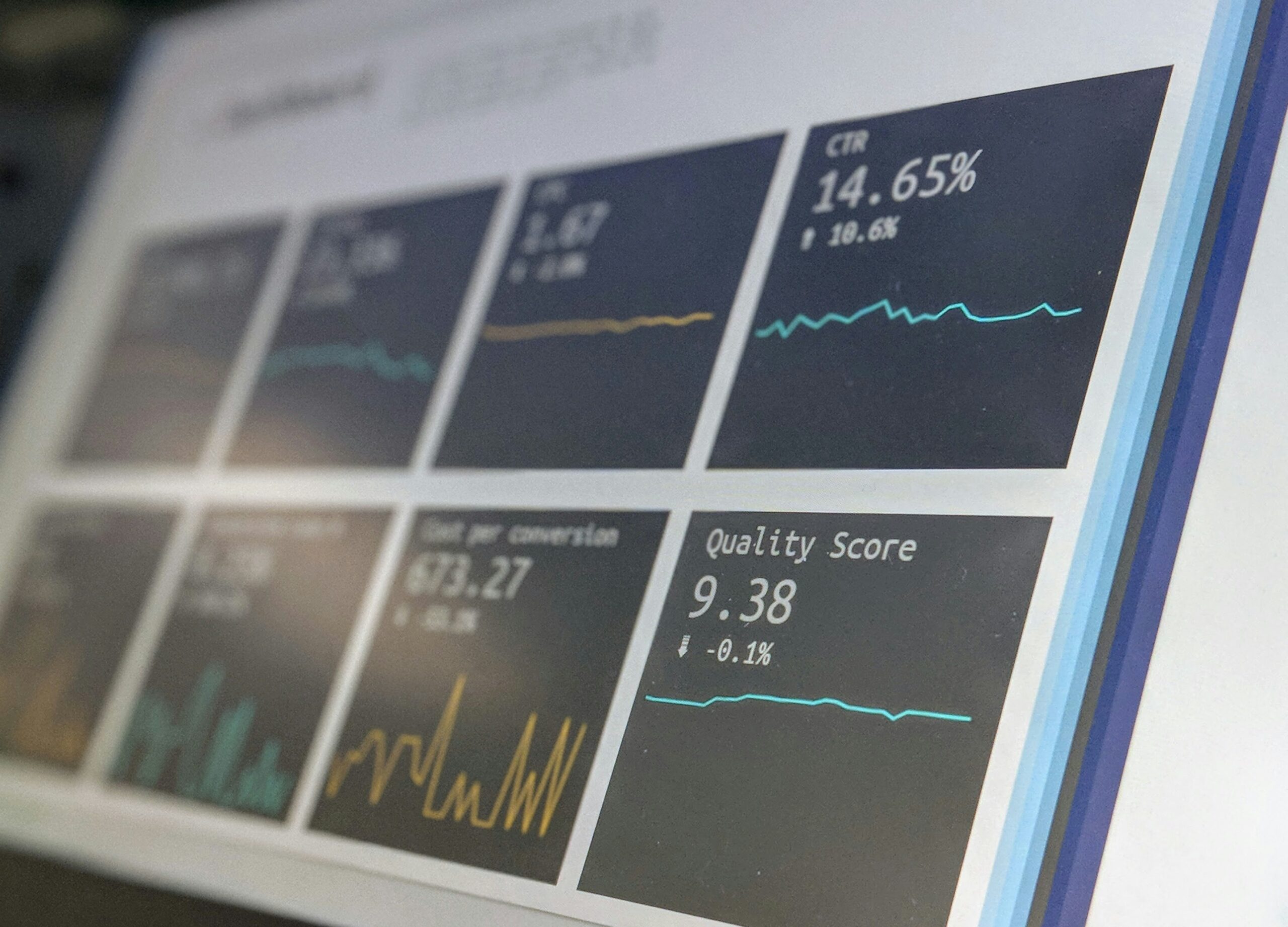
While dashboards are a common form, embedded analytics goes much deeper. It’s about delivering insights in bite-sized, actionable pieces. This can mean a single key performance indicator (KPI) displayed prominently, a small cluster of charts showing a trend, an inline table with relevant figures, or even workflow cards that suggest the next best step based on the data.
Embedding analytics into daily decision-making processes is crucial for organizations seeking to enhance their operational efficiency and strategic planning. A related article that delves into this topic is available at The Day Owl, where you can explore various strategies and tools that facilitate the integration of data analytics into everyday business practices. This resource provides valuable insights on how to leverage analytics for informed decision-making, ultimately driving better outcomes and fostering a data-driven culture within organizations.
The Shift: From Reports to Real-Time Action
Historically, data analysis involved pulling reports after the fact and then trying to figure out what they meant. This often led to decisions being made without the most up-to-date information. The modern approach is about making data an active participant in the decision-making process, guiding actions as they happen.
The Problem with Context Switching
Jumping between your sales platform, your marketing automation tool, and a separate BI dashboard for insights is a prime example of context-switching. Each switch requires mental reorientation, often leading to lost momentum and incomplete understanding. Embedded analytics aims to eliminate this by having the insights within the context of the workflow.
Proactive Monitoring Over Reactive Reporting
The goal is to move from “What happened?” to “What’s happening now and what should I do about it?” Technologies like AI-powered autonomous analytics are starting to monitor data flows continuously, identifying patterns and potential issues before a human even has to ask. This proactive approach ensures you’re always ahead of the curve.
Making Data Talk: Natural Language and Intelligent Interfaces
One of the biggest hurdles to data adoption has always been the technical expertise required. You needed to know how to write SQL queries or navigate complex BI tools. New advancements are changing this dramatically.
Generative AI for Everyone
Imagine being able to ask your data questions in plain English. Generative AI interfaces are making this a reality. You can simply type or speak a question, like “What were our top-selling products last quarter in the Northeast region?” and get an instant, conversational answer. This democratizes data access, removing the need for specialized training.
Agentic Platforms Simplify Complexity
Beyond just answering questions, agentic analytics platforms are emerging to orchestrate entire data workflows. These platforms can make thousands of micro-decisions about how to process data, refine insights, and even generate recommendations, all automatically. This reduces the manual effort and complexity involved in getting valuable insights.
Bringing Analytics Closer: Edge Computing and Intelligent Data Flows
The speed at which data can be processed and acted upon is critical, especially in fast-moving environments. This is where bringing analytics closer to the data source becomes vital.
Real-time Analysis at the Source
Real-time edge computing means that data analysis happens directly on devices or at local network points, rather than sending all data back to a central server. This is crucial for applications where even a fraction of a second matters, such as in certain IoT devices or for immediate mobile interactions. Think about a manufacturing line detecting a defect instantly or a retail sensor triggering an alert for low stock.
Intelligent Data Flows Replace ETL
Traditional Extract, Transform, Load (ETL) processes can be clunky and time-consuming. The future involves “intelligent data flows” that automate these tasks. These systems can handle data transformation, ensure data quality, and manage integration challenges much more dynamically, freeing up resources and ensuring data is analysis-ready faster.
AI-Driven Data Validation
Errors in data can derail even the best analysis. AI-driven anomaly detection continuously checks data against predefined business rules, correcting errors before they even make it into reports or analytical models. This proactive data quality assurance is fundamental to trustworthy, impactful decision-making.
Embedding analytics into daily decision-making processes can significantly enhance organizational efficiency and effectiveness. For those interested in exploring this topic further, a related article discusses the transformative power of data-driven strategies in business environments. You can read more about it in this insightful piece on leveraging analytics for better decisions. By integrating analytics into everyday practices, companies can foster a culture of informed decision-making that ultimately drives success.
Component-Level Embedding: Insights Everywhere
The idea of embedding analytics isn’t just about putting a full BI dashboard into another application. It’s often about deploying granular insights strategically across various points in a user’s experience.
Small Doses, Big Impact
Instead of a giant dashboard, think about strategically placing individual insights where they are most relevant. A sales rep might see a single KPI showing their progress towards a target directly on their contact record. A support agent might see a small chart indicating the likely root cause of a customer’s issue displayed alongside their support ticket.
Workflow Cards and Inline Tables
Workflow cards can offer actionable suggestions based on data – “Consider reaching out to this client, their contract renews in 30 days.” Inline tables can present key figures like margin percentages or conversion rates directly in the context of a specific transaction or project. This makes data consumption seamless and highly practical.
The Future of Decision-Making: Autonomous and Quantum
Looking ahead, the capabilities for embedding analytics are rapidly evolving, pushing the boundaries of what’s possible.
The Rise of Autonomous Analytics
AI-powered autonomous analytics will proactively monitor data streams, identify trends, and flag potential issues or opportunities without human intervention. These systems can make decisions in milliseconds, fundamentally changing the speed and scope of proactive management. Imagine a system optimizing inventory levels automatically based on real-time demand.
Quantum Computing’s Emerging Role
While still largely in the pilot phase for widespread commercial use, quantum computing holds immense potential for solving incredibly complex optimization problems. This could revolutionize areas like supply chain logistics, financial risk modeling, and even drug discovery by enabling analysis and decision-making on scales currently unimaginable.
Practical Steps to Embed Analytics
So, how do you start bringing this to life in your organization? It’s not about ripping out everything you have and starting over. It’s a more gradual, strategic integration.
Start with a Clear Problem
Don’t try to embed analytics everywhere at once. Identify a specific business problem or process that is currently hindered by a lack of timely or accessible data. For example, if your sales team consistently struggles to track their lead conversion rates in real-time, that’s a great place to start.
Identify the Right Tools and Technologies
Consider what tools you are already using. Many modern applications have built-in analytics capabilities or offer APIs that allow for integration. You might also need to explore specialized embedded analytics platforms, especially if you have diverse BI needs. The fact that 86% of organizations use multiple BI tools suggests a demand for flexibility and customization.
Focus on User Experience
The whole point is to make data easier to access and use. Ensure that any embedded insights are presented in a clear, concise, and actionable way. The interface should be intuitive, and the data should be immediately relevant to the user’s task.
Train (and Empower) Your People
While generative AI is lowering the barrier to entry, it’s still important to foster a data-literate culture. Encourage your teams to ask questions of the data and provide them with the support and training they need to interpret and act on insights effectively.
Iterate and Refine
Embedding analytics is not a one-time project. It’s an ongoing process of learning and improvement. Continuously gather feedback from your users, monitor the effectiveness of your embedded insights, and be prepared to iterate and refine your approach based on what you learn.
By taking these steps, you can move beyond simply looking at data to actively using it to drive better, faster, and more informed decisions across your organization. It’s about making data a natural, indispensable part of how you work every day.
FAQs
What is embedding analytics into daily decision-making processes?
Embedding analytics into daily decision-making processes refers to the integration of data analysis and insights into the regular decision-making activities of an organization. This involves using analytics tools and techniques to inform and guide daily operational and strategic decisions.
Why is embedding analytics important for businesses?
Embedding analytics into daily decision-making processes is important for businesses because it allows them to make more informed and data-driven decisions. This can lead to improved efficiency, better resource allocation, and a competitive advantage in the market.
What are some common analytics tools used for embedding analytics into daily decision-making processes?
Common analytics tools used for embedding analytics into daily decision-making processes include business intelligence software, data visualization tools, predictive analytics platforms, and machine learning algorithms. These tools help organizations analyze and interpret data to make better decisions.
How can embedding analytics into daily decision-making processes benefit an organization?
Embedding analytics into daily decision-making processes can benefit an organization by improving decision-making accuracy, identifying new opportunities for growth, optimizing processes, and enhancing overall performance. It can also help in identifying potential risks and challenges.
What are some best practices for embedding analytics into daily decision-making processes?
Some best practices for embedding analytics into daily decision-making processes include aligning analytics with business goals, ensuring data quality and accuracy, providing training and support for employees using analytics tools, and continuously evaluating and refining the analytics process.